

It’s easy to start a home search with listings. Save a few favorites, send a few links, and start imagining where the furniture would go.
Before you start scheduling tours, though, there are more important questions to answer. What can you comfortably spend? What does this move need to accomplish? Which parts of your timeline are flexible? And how will you recognize the right opportunity when it appears?
At Housecats, our Homebuyer Roadmap organizes the process into three phases: preparation; search; and offer, due diligence, and closing. Each phase gives the next one a stronger foundation. The goal is to help you make informed decisions without losing sight of the life you’re buying a home to support.
Start With Your Buyer Profile
The roadmap begins with five buyer profiles, each with a different set of priorities.
The first-time buyer needs a clear understanding of the process and a strategy for maximizing affordability.
The move-up buyer needs to coordinate a purchase with the sale of an existing home. Timeline alignment is part of the search from the beginning.
The luxury buyer may be focused on privacy, design, lifestyle, or school zones. Those priorities shape which properties deserve a closer look.
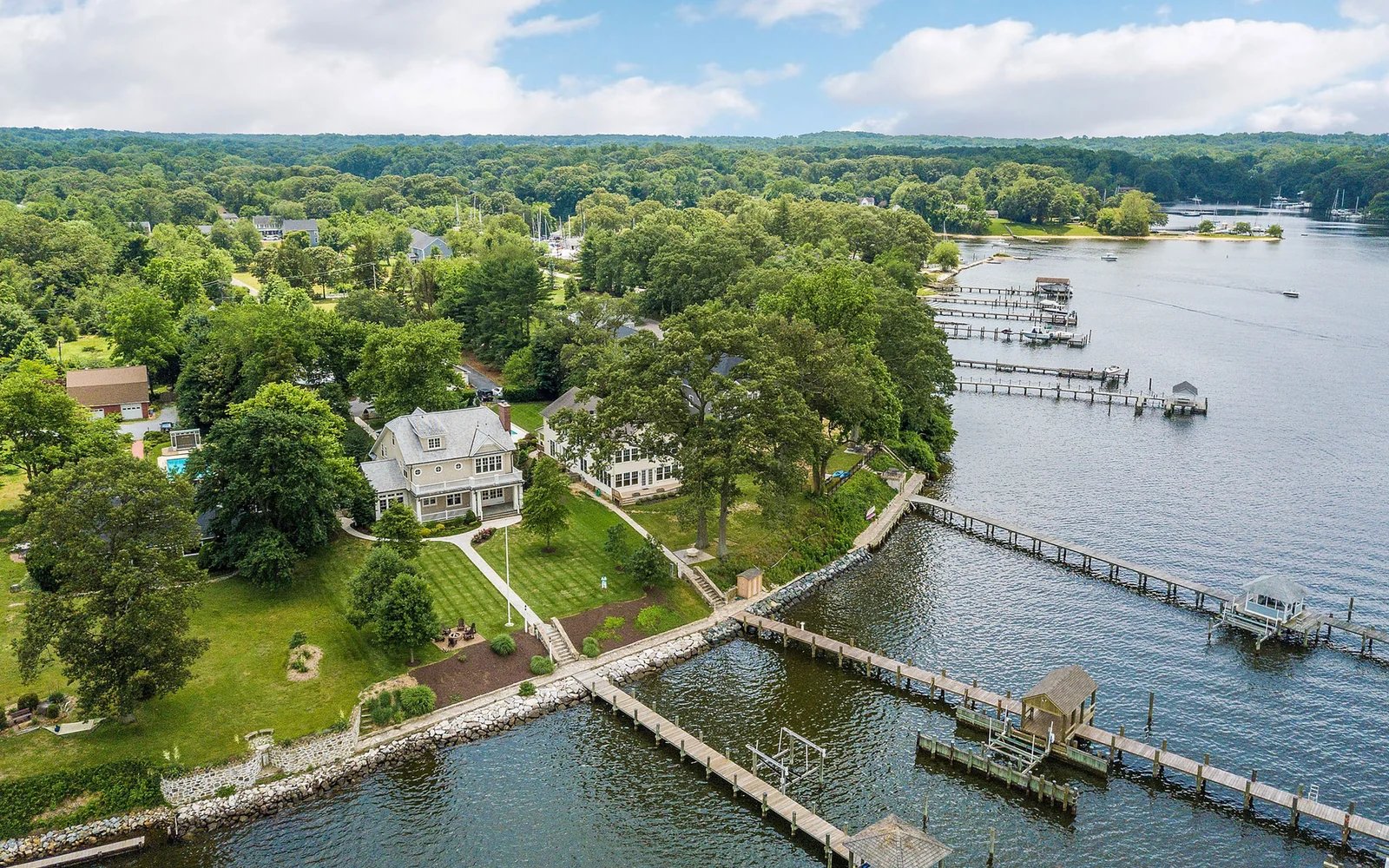
The waterfront buyer needs specialized due diligence around water depth, shoreline, flood considerations, and elevation.
The relocated buyer needs speed, clarity, and local market knowledge to make decisions in an unfamiliar place.
The same roadmap supports all five. Your priorities determine how we apply it.
Phase 1: Preparation
Build the foundation before you step into a home.
Start with a strategy call
We begin with your budget, timeline, lifestyle preferences, and goals. What are your must-haves? What are you willing to compromise on? What would make this move worthwhile?
This conversation gives the search a purpose beyond finding a property with the right number of bedrooms.
Get pre-approved the right way
Work with your lender to understand what your pre-approval actually represents. The Consumer Financial Protection Bureau notes that lenders’ review processes vary and that a pre-approval is not a guaranteed loan offer. Ask what information has been reviewed and what assumptions still need to be confirmed.
Your pre-approval amount also shouldn’t replace your own spending plan. The monthly payment you’re comfortable carrying matters just as much as the amount a lender may be willing to approve.
Define your buying window
Establish when you would like to move and where you have flexibility. For a move-up buyer, that includes how the purchase and sale need to fit together. Your buying window becomes part of the strategy rather than an issue to solve after you find a home.
Build your market knowledge
Before making an offer, we walk through recent sales, neighborhood differences, lifestyle pockets, and the features that command a premium. The aim is to give you context for what you’re seeing, not just a stream of listings.
Phase 2: The Search
An effective search should be intentional, not reactive. Our roadmap uses three components to keep it focused.
A Neighborhood Framework
We build a custom “Hot Zones Map” around your commute, school priorities, amenities, lifestyle, buyer profile, and future resale considerations. It gives us a defined area of focus and a reason for including each location.
A Property Triage System
Every listing is sorted into a simple framework:
- A-list: Go see it.
- B-list: Maybe; it needs a closer look before committing to a showing.
- C-list: Pass.
The purpose is to put your attention on the homes that fit your priorities instead of treating every new listing as equally relevant.
A Weekly Buyer Brief
A curated digest brings the strongest opportunities together so you can review them with context. It supports the search strategy rather than adding another layer of notifications.
The goal isn’t to see more houses. It’s to make better decisions about the ones that fit.
What Drives Value in Maryland?
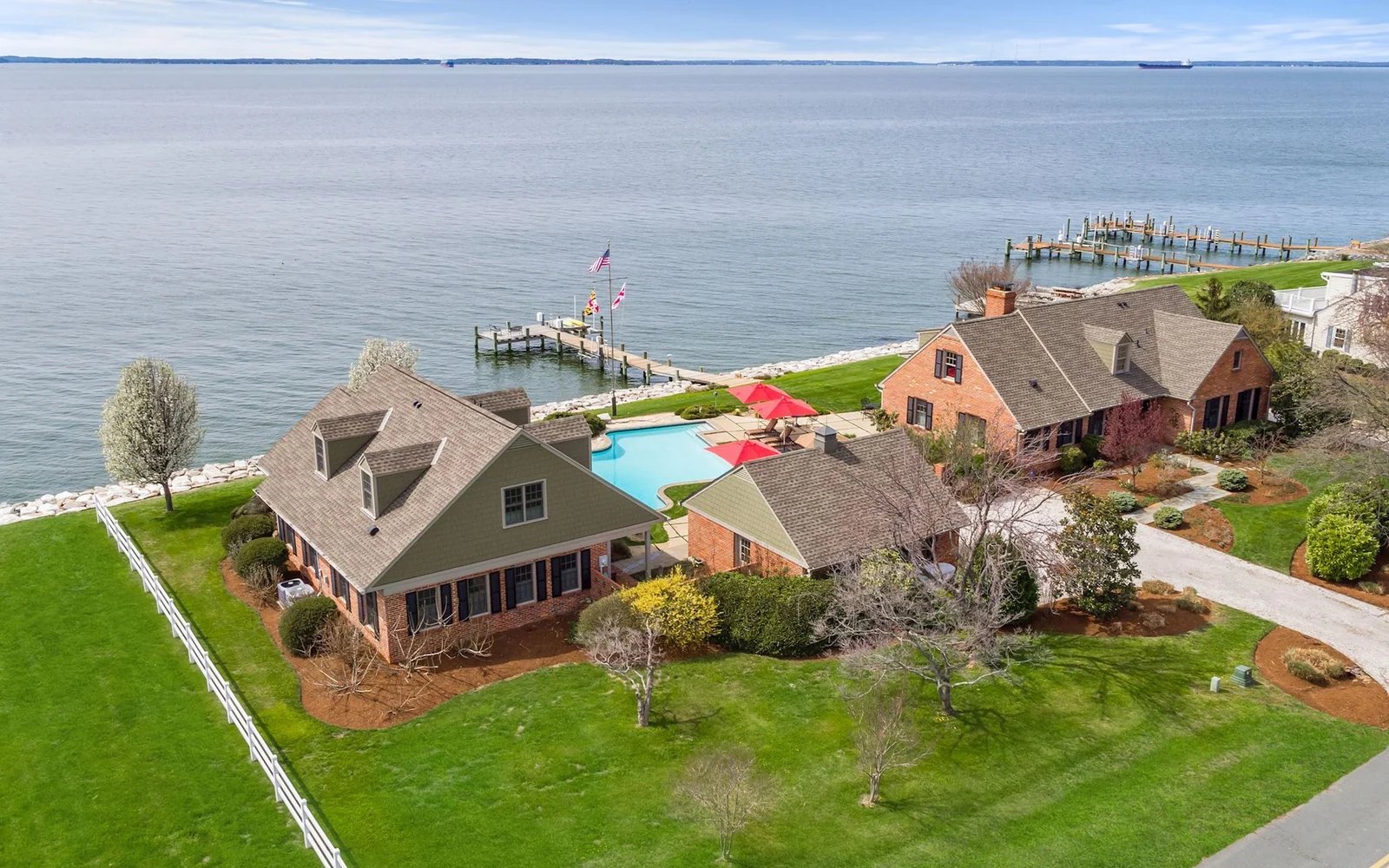
Our roadmap looks beyond finishes to the factors that shape a property’s appeal: school district, walkability and lifestyle access, commute patterns, waterfront proximity, lot size, and privacy.
It also considers neighborhood age and architectural character, renovation quality, competition within the immediate market, and time of year.
These are the questions we bring to the search: What explains the price? Which features matter to you? And are you paying a premium for something you will actually use and appreciate?
Phase 3: Offer, Due Diligence, and Closing
Our offer strategy looks at three things together: price, terms, and positioning. The headline number is important, but it isn’t the entire proposal.
Price strategy
We develop a price band based on valuation, competition, and what we understand about the seller’s priorities. That gives the offer a rationale rather than reducing the decision to a single number without context.
Terms
Inspection structure, appraisal strategy, financing strength, escalation options, and closing flexibility all belong in the conversation. We work through them with the goal of balancing competitiveness and protection, not simply making an offer more aggressive.
Positioning
The offer needs a clean presentation and clear communication with the listing agent. Its price, financing, terms, and timeline should be easy to understand.
From there, the roadmap continues through inspections, appraisal, lender coordination, title preparation, and closing logistics. Getting an offer accepted is one step in the process, not the finish line.
Financing: How to Buy Smarter
Your financing should fit your buyer profile, not just your pre-approval amount. The roadmap connects financing decisions to monthly comfort, long-term cost, the strength of your offer, and whether a purchase can be coordinated before an existing home is sold.
Financing tools named in the downloadable guide include 2–1 and 3–2–1 buydowns, home equity lines of credit (HELOCs), bridge loans, portfolio products, lender credits, low-down-payment conventional options, and VA or FHA loans. Treat these as topics for a lender conversation, not a list of products every buyer will qualify for or should use.
Ask your lender to explain the options available for your circumstances. The Consumer Financial Protection Bureau recommends comparing Loan Estimates across the interest rate, total monthly payment, upfront loan costs, lender credits, and cash needed to close. That gives you more to work with than a rate quote alone.
The Housecats Buyer System
The roadmap is supported by a buyer system that runs from the first conversation through ownership.
It starts with a Buyer Strategy Session and Market Briefing to establish your goals, timing, must-haves, and understanding of the neighborhoods you’re considering. A Showing Strategy then helps focus your time on the properties worth seeing.
Offers That Win and Negotiation address the proposal itself: competitiveness, protection, seller priorities, timing, concessions, and inspection positioning.
Pre-Close Support brings together lender coordination, title preparation, inspections, logistics, and timeline alignment. A Post-Close Check-in continues the relationship with a contractor list, maintenance planning, and a conversation about long-term value.
Understand the Seller’s Side of the Offer
When preparing an offer, we consider the questions it needs to answer for the seller. Is the pre-approval clear? Is there confidence in the financing? Are the timelines appropriate? Is the inspection structure understandable? Is communication straightforward?
The purpose is to address uncertainty while keeping your own interests in view. That is a different exercise from simply increasing the price.

How to Avoid Buyer Remorse
The roadmap comes back to three rules.
Understand the micro-market. Look at the immediate area and relevant recent sales rather than assuming a broader market description tells you everything about one property.
Buy lifestyle first, finishes second. Location and lot deserve attention before cosmetic details. Ask how well the property supports your everyday life, not just how it looks during a showing.
Don’t chase perfection. Look for alignment among your must-haves, price, and timing. The question is whether the home works for the move you’re trying to make.
Mistakes to Watch For

The guide flags waiting for the “perfect rate,” chasing homes across too many ZIP codes, and starting without adequate preparation. It also cautions against misreading seller motivation, writing weak offers, and hesitating on high-demand homes.
Two other mistakes concern the property itself: overestimating renovation costs and confusing cosmetic issues with structural issues. Those are separate questions to investigate rather than reasons to make an assumption about the entire home.
The point of preparation isn’t to pressure you into moving quickly. It’s to help you understand when a property deserves action, when it needs more investigation, and when it makes sense to pass.
What Could Your Homebuying Timeline Look Like?
The guide provides this illustrative sequence:
Weeks 1–2: Strategy session and pre-approval.
Weeks 2–4: Market education and search setup.
Weeks 4–8: Showings and offer writing.
Weeks 8–12: Contract, inspections, appraisal, and closing.
This is a planning example, not a measured average or a promise to close within twelve weeks. As the roadmap explains, your version is personalized around your buyer profile and market conditions.
Start With a Strategy
Your path to the right home starts with understanding what you want this move to do for you.
In a Housecats Buyer Strategy Session, we work through your buyer profile, market briefing, neighborhood map, customized search strategy, a financing blueprint to review with your lender, and offer game plan.
Whether you’re buying your first home or your next one, the next step is a conversation about your budget, lifestyle, and goals.
Call (410) 991-1382 to book your Buyer Strategy Session. Zero pressure. Actually helpful.
Images reproduced from the accompanying Housecats guide. Property photographs are illustrative and do not indicate current availability.