
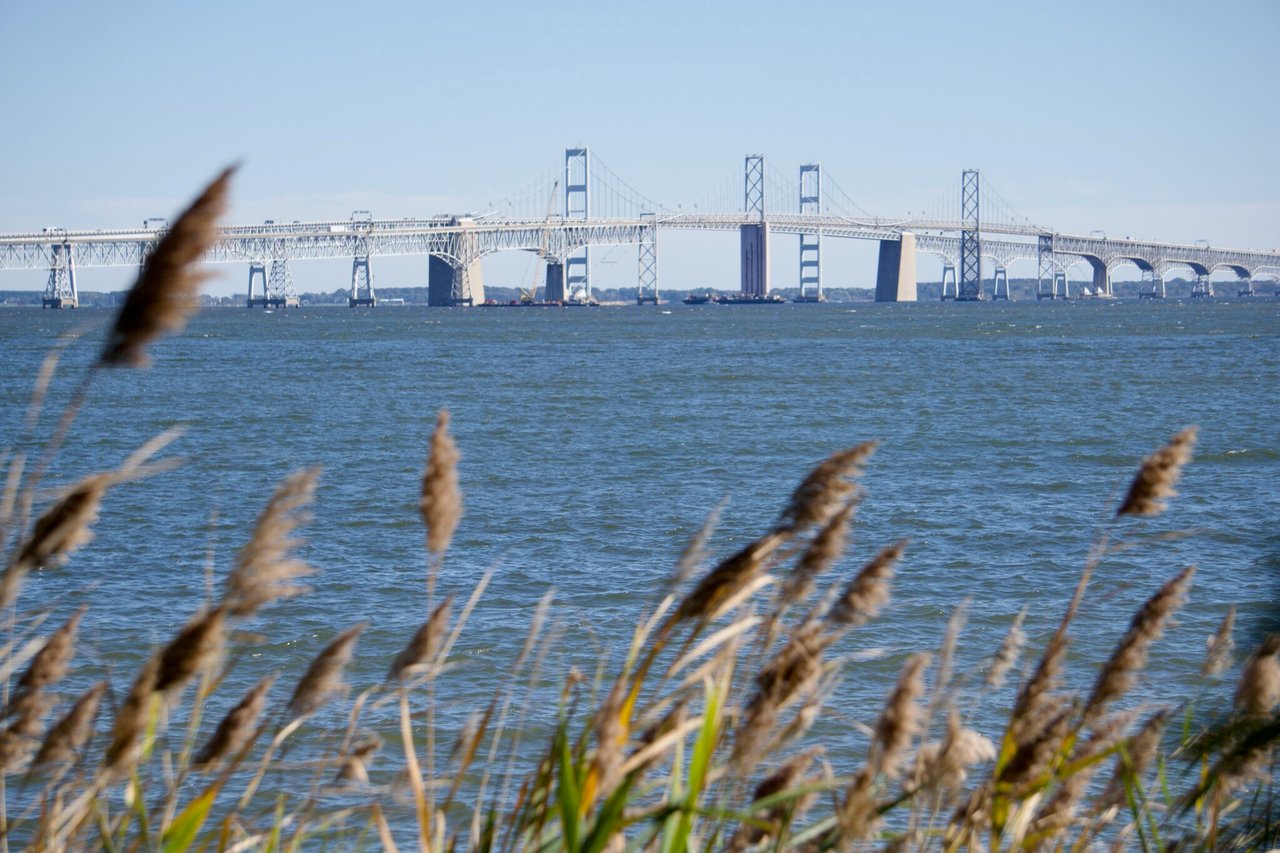
A view of the Bay Bridge can suggest a familiar plan: see what Saturday’s weather looks like, pack the car and head for the water. Before you do that at Holly Beach Farm, check the reservation calendar. The state is opening a way to visit a protected peninsula, and the terms of the visit are part of what makes the place interesting.
As of November 4, the announced opening is still ahead. In its October 20 announcement, Maryland’s Department of Natural Resources described limited, reservation-based access for activities such as hiking and birding beginning November 6 through MD Outdoors. It did not promise open-ended access to every part of the property. Before you set out, the useful question is what a current reservation actually covers.
What’s on the other side of the reservation
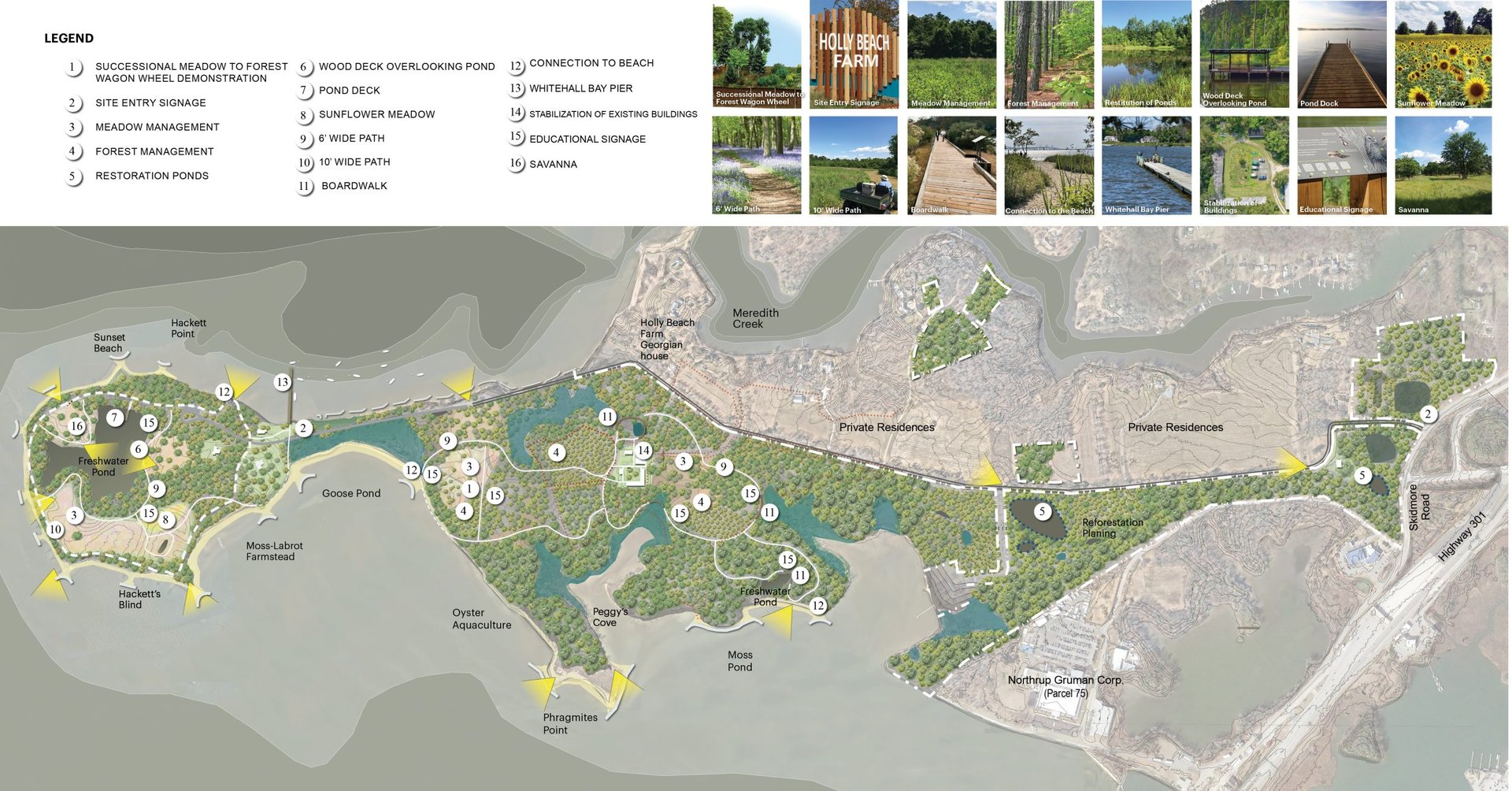
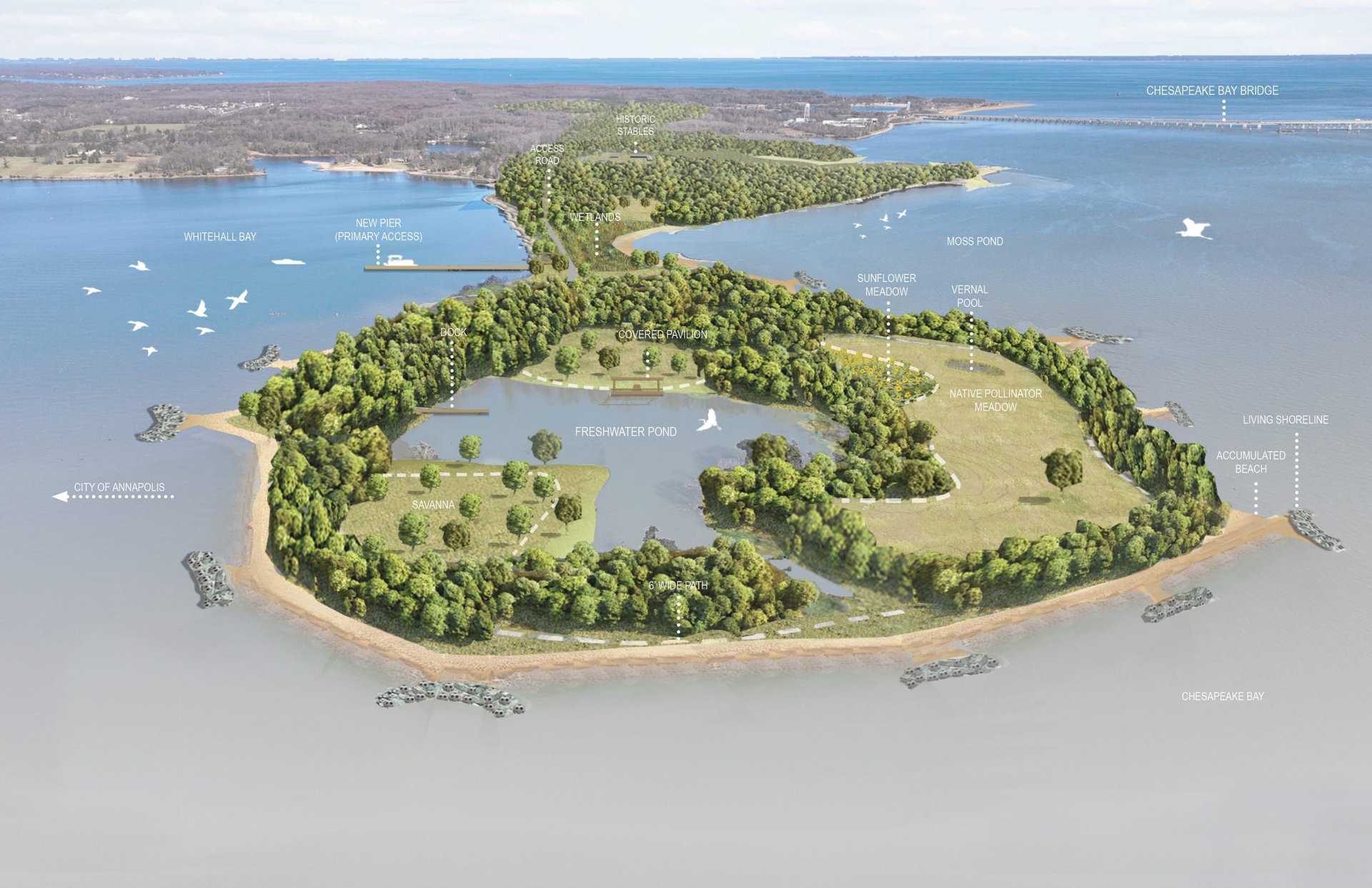
Holly Beach Farm occupies roughly 293 acres in Anne Arundel County, between Whitehall Bay and the Chesapeake Bay. DNR describes wooded areas, fields, shoreline and a nine-acre freshwater pond. The state’s account of the property also describes waterfowl habitat and a single-lane access road. DNR manages Holly Beach Farm as part of the Sandy Point State Park complex. That connection helps place it on the map; it does not make the two places interchangeable for a day out. A map conveys the striking waterfront location. Those other details tell you more about the kind of public place it can become.
That distinction matters along a shore where “waterfront access” can mean very different things. A view of the Bay from an authorized walking route, permission to launch a boat and a designated swimming beach are three separate opportunities. An announcement of the first does not imply the other two. For Holly Beach Farm’s initial opening, hiking and birding are examples DNR actually named. A boat launch, unrestricted swimming or use of a pier should not be part of a visitor’s plan without separate, current confirmation.
For someone hoping to spend time observing shore habitats, a reservation can make an outing possible that was previously difficult to plan. For someone who needs to decide at the last minute whether the weather, work or family schedule permits a trip, the same requirement can make a visit harder. Both are consequences worth considering. Neither proves who has obtained a reservation or who has been excluded; that would take evidence from actual visits after the opening.
How the peninsula became public
The timing is easy to compress into the wrong story. In December 2023, the foundation selected Maryland DNR as steward. In March 2024 the state Board of Public Works approved the donation. The National Park Service technical assistance report, pages 2–3, describes the subsequent transfer and the planning work. Selecting a steward, approving a transfer and opening a property to visitors are different milestones.
The planning report describes conservation obligations and concerns about access, neighbors and seasonal traffic. It helps explain why the site is not being treated like an ordinary roadside attraction. It is a planning record, though, not a current rulebook. A use discussed in the report is not permission to do it. And a feature proposed for the future is not a feature a visitor can count on at the gate.
The October announcement makes a similar distinction: DNR described work on shoreline protection and permitting for the replacement of old piers. A permit application isn't a working pier. For a household planning its first visit, there is no need to resolve every future use of the peninsula. Start with the published activity description for the date you are considering. If that description does not answer an essential question, ask DNR before traveling.
What limited access looks like in an ordinary week
Imagine a visitor who has an hour free before another commitment and wants to walk near the Bay. The first question is whether a suitable reservation is available, not how close the water looks on the map. If the time or activity doesn't fit, another outing may be the better plan for that day. A visitor who has been hoping for a quiet birding trip might make the opposite choice and organize the day around the reservation instead.
Early reporting gives some sense of the intended scale. Maryland Matters reported that Assistant Secretary Paul Peditto described an initial plan of about 20 individuals per day. That is an attributed planning figure, not a promise of 20 bookable places on every date or evidence about demand. The number of people the site may accommodate, the inventory a reservation system displays and actual attendance are different measures. At this writing there is no basis here for a claim that places are selling out, that reservations are easy to get or that a visitor will have a particular trail to themselves.
Our read is that a limited opening can widen one form of public access while leaving others quite narrow. It offers a way to visit the landscape on defined terms. It doesn't settle whether a person can find a time that suits them, reach the site comfortably or use the available route. A longer shoreline on a map matters less to a particular visitor than clear answers about one outing they can actually take.
Before you go
Start with MD Outdoors and DNR’s current Holly Beach Farm notice. Check which activity is offered, whether a reservation is available for the date you want and what your confirmation says about arrival. A state announcement is a reason to look for a reservation; it is not a reservation.
If your outing depends on a specific facility, verify that facility. Ask about the route surface, distance, grade and accessible arrival point if those determine whether a walk works for you. Ask about parking, restrooms and any fee if you need to plan around them. The material reviewed for this article does not establish current hours, fees, accessible-route specifications or arrangements for every visitor. It is better to leave a question open than to give someone a confident answer that makes the trip unworkable.
Keep your plan within the activity and route DNR authorizes. Shoreline on two bays does not establish a right to launch, land a boat, swim, hold a group event or enter habitat outside the permitted area. Someone looking for one of those activities can make a more useful comparison by starting with the activity they want and checking where it is currently offered.
What to watch after opening
The most useful next evidence will be ordinary operating information: what activities appear on the calendar, what visitors are told before their trip, how the approach road is managed and what DNR reports about stewardship. Changes in those details could make an outing easier or harder without changing the acreage or the view. Updates on planned shoreline or pier work matter when the state says what is authorized, complete and available to visitors.
Holly Beach Farm adds a particular kind of Chesapeake outing: a planned visit to a conserved waterfront landscape. On a clear Saturday, the bridge may be the reason you think of going. The deciding factor is whether the opening on the calendar fits the experience you want. Check the current DNR notice and MD Outdoors listing before making the trip. For another day by the water, explore the Housecats Chesapeake lifestyle guides.