

Some homes have a name before they have a listing. The farm. The house on the point. The place where everyone went for holidays.
Deciding to sell can feel like making a judgment about everything that happened there. It is not. The memories remain part of your life even when the responsibilities no longer fit it.
Selling a legacy property means honoring what makes it meaningful while giving the next owner a clear, workable reason to choose it. The story matters. So do the condition, rights, costs, and practical decisions that let the sale move forward.
Here, legacy describes a long-held or personally significant property: a homestead, landmark home, waterfront gathering place, or land with a meaningful history. It does not automatically mean a large estate or a property being sold after someone's death.
Agree on What a Good Sale Would Accomplish
Before discussing price, identify who has the authority to decide and who should be part of the conversation. Have an attorney and title professional review the actual ownership, including any trust, entity, co-ownership arrangement, or estate administration.
Then separate the priorities. Is the goal to release money, reduce care responsibilities, settle shared ownership, or make a transition while the household can manage it deliberately? How important are timing, privacy, and preserving specific features?
Write down the decision process: who receives offers, who can authorize preparation, how expenses are paid, and how disagreements are handled. The relative who lives nearby should not become the automatic project manager without an agreed role.
Give people a chance to express attachment without treating every feeling as a veto. A workable process can respect the property without requiring every participant to experience the sale in the same way.
Separate the Home From the Things You Intend to Keep
Before cleanout or staging, identify important documents, photographs, collections, furniture, and keepsakes. Record ownership where it is unclear. For valuable contents, engage the appropriate appraiser, specialist, or auction professional rather than ask a moving crew to decide what matters.
Agree on the items to keep, offer with the property, sell separately, donate, or dispose of. Coordinate written exclusions for fixtures and other attached items before marketing. An object visible in every photograph can become an avoidable point of conflict if the buyer expects it to remain.
Preserve a family copy of important records before promising originals to the next owner. Ask whose permission is needed before publishing personal correspondence or photographs. Selling a house does not require making its occupants' private lives part of the campaign.
When the property is being administered after a death, have the authorized representative and counsel direct the contents process. Informal agreement among relatives is not a substitute for the duties attached to that role.
Make the History Credible Enough to Carry the Story
Gather what is documented: construction and alteration dates, architectural plans, surveys, earlier photographs, public records, and the history of people who lived and worked there. The Maryland Historical Trust Library is a resource for survey files and architectural research.
Separate established facts from recollections and unverified associations. A familiar family story can be retained as a clearly attributed recollection where appropriate; it should not become an unsupported construction date or claim of national significance.
The useful question is what the history helps a buyer understand. Does it explain the way an old wing connects to the main house? The character of the grounds? The craftsmanship worth preserving? Select the details that give the property depth without turning the listing into a long family biography.
A good property story connects the past with a plausible present. Buyers need to understand how they could live there, not only why someone else once loved it.
Know What Is Protected—and What Is Simply Described as Historic
An entry in Maryland's Inventory of Historic Properties is not itself a historic designation or an automatic restriction. Establish any local designation, recorded easement, or other review process separately.
Preservation easements can bind later owners and impose maintenance and approval obligations. Obtain the actual agreement and have counsel identify its scope, duration, protected features, and any conditions relevant to the sale.
Do the same for land. MALPF warns that original easement owners and later owners may have different residential rights. Do not market another homesite because the current owner's family once had a right to request one. Verify the rights that will reach the purchaser.
Conservation easements can also remain binding after transfer. Explain them accurately, including the retained uses confirmed by the document. Protected land may be part of the appeal, but the buyer should know the commitment they are accepting.
Prepare a plain-language summary with links to the underlying documents and professional contacts. Do not describe a property as either unrestricted or untouchable when the truth is more specific.
Prepare the Property Without Erasing Its Identity
Begin with safety, water, active deterioration, and missing information. Have relevant professionals inspect the issues that could materially affect a buyer's use or willingness to proceed.
Then decide what presentation needs: cleaning, editing furniture, improving light, clarifying room function, and caring for the approach and grounds. Retain the features that explain the home. The objective is not to make a distinctive property resemble the newest subdivision.
Where protected or older materials are involved, have qualified specialists and the reviewing authority establish an appropriate scope before work begins. A quick replacement can be the wrong answer when it removes valuable character or requires approval.
Price alternative preparation plans against the expected benefit and the household's available time and money. There is no universal renovation budget for a legacy sale. Some homes benefit from finishing a small number of unresolved projects; others should be offered with their condition and opportunities honestly documented.
Separate the Asking Price From the Value of the Memories
Ask the agent to show the relevant competing properties and sales, then explain the adjustments that require judgment. A property can be unusual without being impossible to compare.
Look at the house, the land, usable improvements, condition, restrictions, and the location's practical appeal. Separate historic significance from a measurable price contribution. Do not assume restoration spending, replacement cost, or a famous association will be recovered dollar for dollar.
For inherited property, tax basis generally starts with date-of-death fair market value or an applicable alternate valuation, subject to the rules. That valuation and a current sale-price analysis have different dates and purposes. Have the tax adviser distinguish basis, gain, and cash proceeds rather than treat an old appraisal as today's asking price.
A realistic price is not a criticism of the family or the home. It is an attempt to understand the choices available to a buyer now.
Show the Care Behind the Setting
The current owner may know which contractor answers on a Sunday, how the garden changes through the year, and which outbuilding needs attention after a heavy storm. None of that knowledge is obvious in a photograph.
Assemble an ownership record: service providers, equipment, maintenance history, current obligations, system instructions, and known upcoming work. Document the labor the household performs itself. A buyer may need to hire someone for a task you have handled for decades.
For a working property, have counsel review leases and use agreements. Confirm which arrangements continue, require consent, or must be concluded. Keep projected income separate from executed agreements and collected receipts.
Reducing uncertainty about ownership can make a special property easier to consider without pretending it is effortless to own. Buyers can decide whether the responsibilities suit them when the information is understandable.

Choose Privacy Deliberately, Not Automatically
A legacy sale may involve a recognizable household, personal collections, or a property people already know. Establish what may be photographed, which information can be public, and how visitors will be scheduled.
Compare a broad launch with any proposed private or delayed approach. What exposure would you gain or forgo? How long would the limited phase last? Which evidence would trigger a wider campaign? Privacy is a valid objective; limiting access is not proof of a higher eventual price.
NAR's Multiple Listing Options for Sellers policy distinguishes office-exclusive and delayed-marketing arrangements and requires informed seller disclosures. Local implementation matters; delayed public distribution does not necessarily mean the listing is absent from the MLS.
Have the broker explain the applicable rules before approving the campaign. Do not assume a listing can be broadly advertised while being treated as a private introduction for submission purposes.
Reach Buyers Through the Property's Supported Uses
Develop a clear public story, an accurate visual package, and a deeper information file for serious prospects. Show room relationships, grounds, access, and the features that make this place different. Give interested buyers an efficient way to investigate the details.
Use agent relationships and appropriate marketing channels to reach people seeking the actual offering: a gathering place, a distinctive home, permitted equestrian facilities, conservation land, or a documented waterfront experience. Do not substitute assumptions about age, family structure, religion, or background for a legitimate property-use brief.
Ask the agent how inquiries will be followed up, what questions will be recorded, and how that evidence will inform the campaign. A list of advertising outlets is not a complete explanation of how interest becomes a well-informed showing.
Remove sensitive information from public documents. Security arrangements, access codes, account details, and private family records should not become marketing assets simply because they are part of the ownership file.
Let a Showing Introduce a Future, Not Test Appreciation of the Past
For a complex or historically significant property, we would arrange an informed listing-side representative to introduce the important features and answer supported questions. The buyer should also have time to look, talk privately with their agent, and imagine changes appropriate to their own life.
Use a coherent route rather than a running inventory of everything you have ever done to the house. Explain the essential story and the practical information. Record questions that need an expert response instead of improvising answers.
A buyer who asks about heating bills, window repairs, or a different room arrangement is evaluating ownership. Those questions do not necessarily mean they fail to understand the property.
The seller does not need to host every showing or hear every initial reaction. Agree on how feedback will be conveyed so the process remains useful rather than unnecessarily personal.
A Promise to Love the House Is Not a Preservation Agreement
It is natural to hope the next owner respects the place. Evaluate offers through objective terms and evidence, not a buyer's resemblance to your household or an emotionally appealing story.
If a particular preservation outcome is essential, discuss lawful, enforceable options with a land-use or preservation attorney before marketing. New restrictions may change use, financing, marketability, or value. Do not promise to retain control after sale through an informal understanding.
Conversely, do not suggest the buyer can remove an existing restriction simply because they have different plans. The recorded terms and reviewing authorities—not a friendly negotiation—determine that path.
There is a difference between passing along the property's history and expecting the next owner to repeat your life there. A successful handover leaves room for their story within the obligations they actually accept.
Negotiate the Whole Transition
Compare the price with financing, inspection scope, appraisal provisions, contents, contingencies, dates, and possession. Give appropriately qualified buyers enough access to investigate a substantial commitment, with the scope and deadlines documented.
Prepare for questions about condition and permissions. Where an issue emerges, obtain the facts and discuss a repair, credit, revised term, or other response with the relevant advisers. Attachment should not make a material concern impossible to acknowledge.
Confirm who can approve changes and sign final documents. If a trust, entity, or personal representative is selling, have counsel establish authority and restrictions early. A dispute over authority should not first appear when everyone expects to close.
Retain the financial records needed for tax and ownership accounting. The eventual proceeds should be handled under the legal arrangement, not distributed solely according to a conversation about what seemed fair.
Leave a Useful Record, Keep Your Own Memories
Create a property archive for the purchaser with appropriate copies of history, plans, permits, maintenance information, and contact details you are authorized to share. Distinguish warranties and service agreements that can transfer from those requiring a new arrangement.
Offer a practical systems orientation through the responsible people. Walk through shutoffs, seasonal procedures, unusual equipment, and the location of important records. Sensitive access credentials should change through an agreed secure process.
For the household, make space for a final visit or a separate photographic record before the sale demands every room be ready for somebody else. That personal record does not have to become part of the public listing.
Keep watching the agreement among owners, the evidence behind the property's offering, and the buyer's progress toward closing. Those are the facts that should guide the next decision—not the hope that a special home will sell itself.
Selling does not make the years there less important. It can be the deliberate way to finish your part of the property's history and let another begin.
Call (410) 991-1382 to talk through the sale of your Maryland legacy property. Start with what matters most. Build a clear sale plan around it.
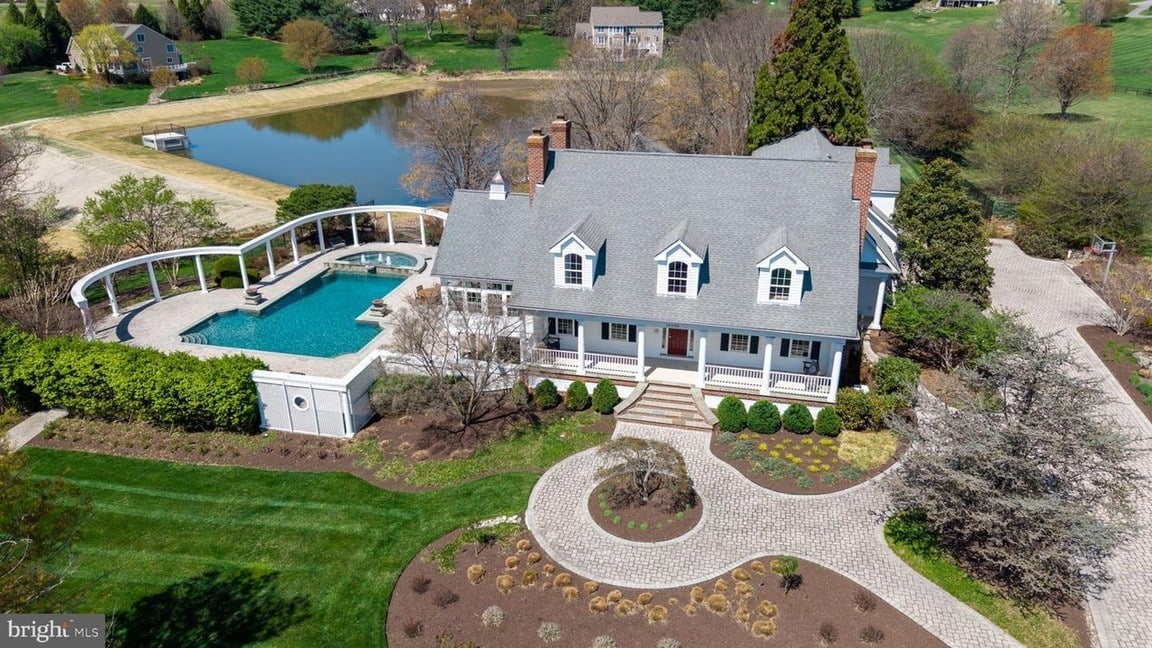
Research reviewed September 24, 2026. This is general selling and transition information, not individualized legal, preservation, tax, title, or estate-planning advice. Confirm the property records, authority, and proposed terms with the responsible professionals. Housecats guide-library photographs are illustrative; they do not establish a pictured property’s location, condition, permitted uses, history, or current availability.