
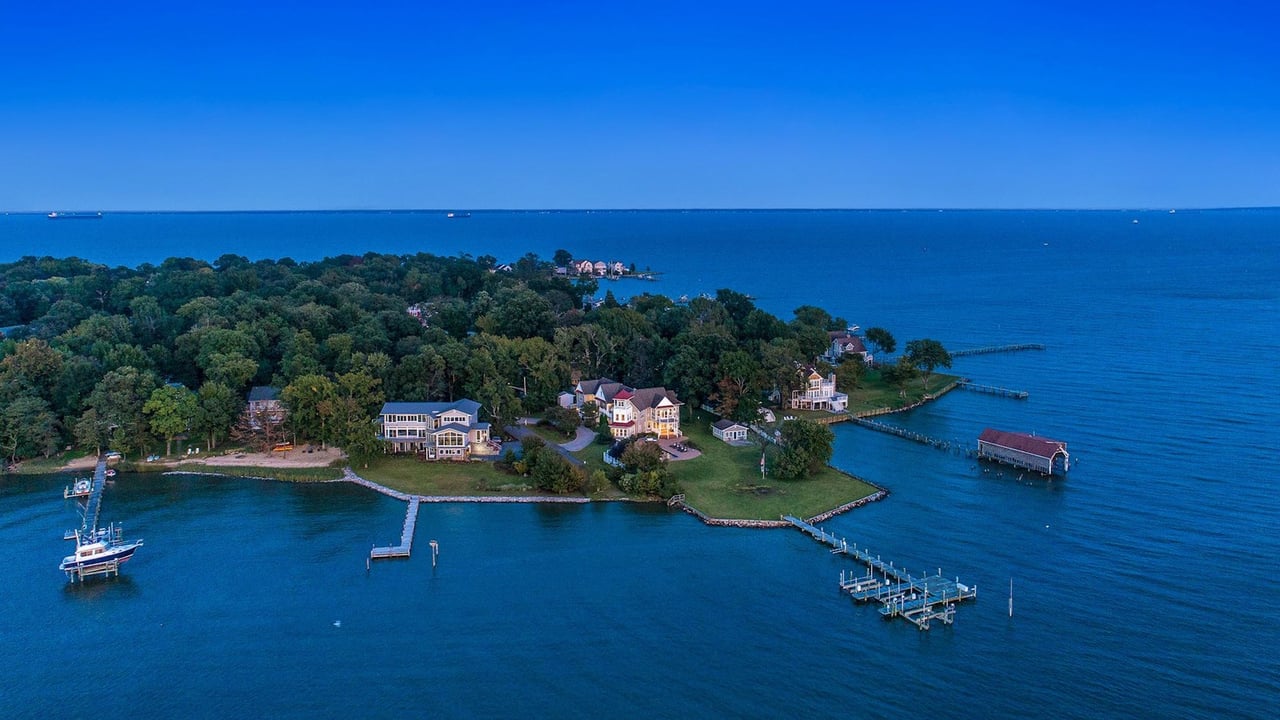
You know what makes your waterfront home special. The view, the time outside, and the way the setting changes through the year. Selling it means helping someone else understand that experience—and being ready for the practical questions behind it.
How much water is there? What is the condition of the pier and shoreline? How does the property connect to open water? What should a buyer understand about the elevation, view, and community?
The Housecats Waterfront Seller Essentials Guide organizes those questions into nine factors. The focus is on the details that shape waterfront value and the lifestyle a buyer is considering—not simply the fact that a home sits on the water.
1. Water Depth (MLW)
The guide starts with water depth: why it matters, how powerboat and sailboat buyers approach it, and what “ideal depth” means in the Chesapeake.
For a seller, this is a question to address clearly rather than leave to a buyer's assumptions. What depth information can you support, and how does it relate to the boating use being discussed?
Terminology: NOAA defines MLW as Mean Low Water, a tidal reference based on average low-water heights. It is a reference elevation, not a measurement of the depth at your individual pier.
The seller guide does not set a numerical standard for “ideal” depth. Keep the discussion tied to verified information for the property rather than applying a general label.
2. Pier, Dock & Lift Condition
A pier belongs in the property review, not just in the photographs. The guide identifies five details to consider:
- Age.
- Materials.
- Permitting history.
- Load limits.
- Boat lift tonnage.
Its three points of emphasis are safety, longevity, and usability. Use those to organize what you know about the pier, dock, and lift, and what still needs to be confirmed.
The seller's task is to make those details understandable. A photograph can show the setting; it does not establish a structure's condition, permitted status, or capacity.
3. Shoreline & Bulkhead Condition
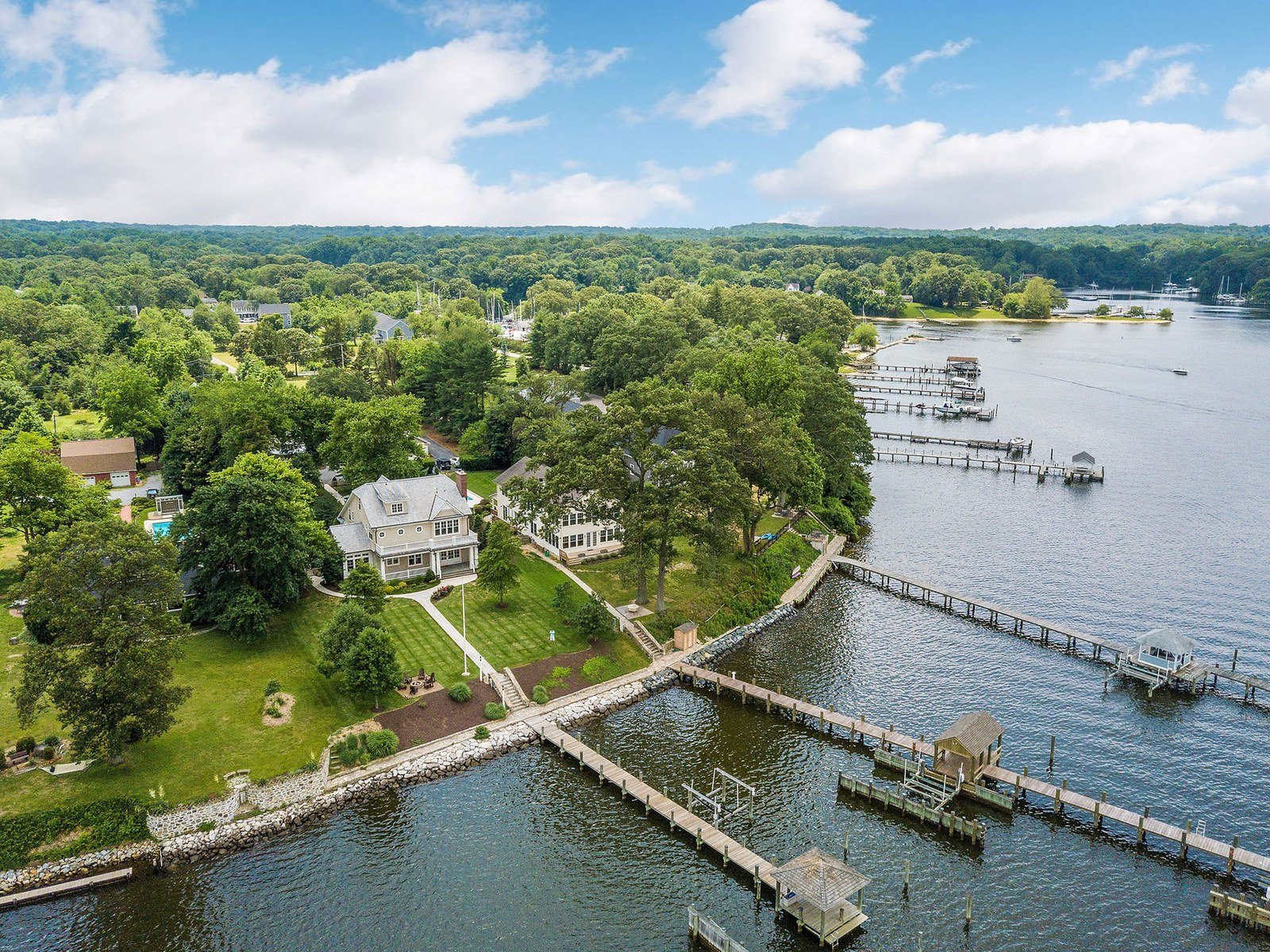
The shoreline gets its own place in the guide, separate from the pier and the house. The review focuses on bulkhead age, erosion control, and riprap versus living shorelines.
As you prepare to sell, establish what is present along your waterfront and what is known about its condition. Keep the age and type of shoreline work in the conversation rather than treating the water's edge as background scenery.
This is a starting point for reviewing the property, not a recommendation to replace one shoreline approach with another.
4. Flood Zone + Elevation
The guide puts elevation, insurance impact, and FEMA maps together as the fourth factor. These are questions to work through for your property before making broad statements about its waterfront position.
For the mapping portion, FEMA's Flood Map Service Center provides an address-search tool. It is a resource for locating the relevant mapping information; this article does not assess any particular home's flood zone.
Keep the insurance discussion property-specific as well. The guide identifies it as an area to review, but does not provide premium estimates or determine coverage requirements.
5. Water Orientation & View Corridor
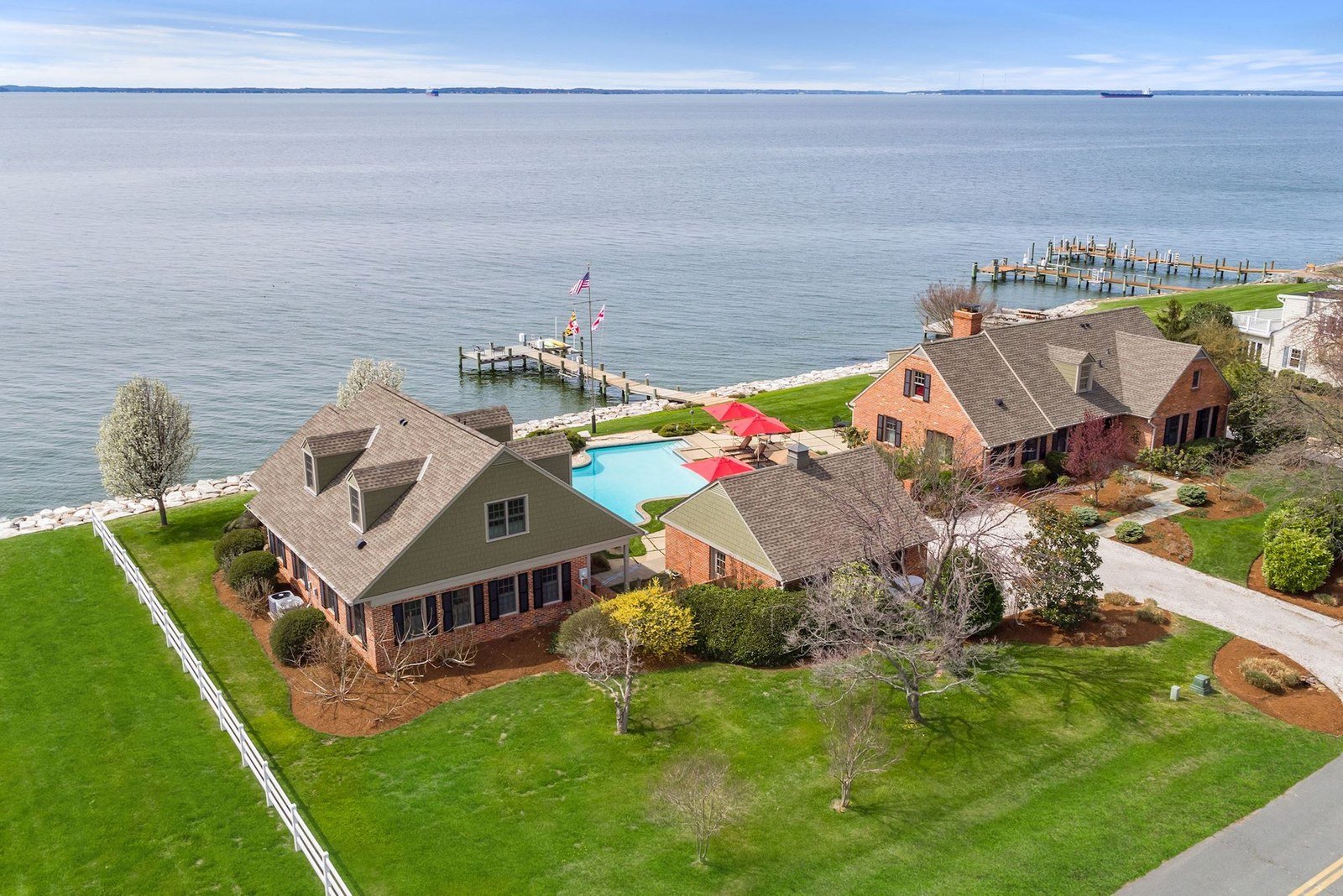
How would you describe the view to someone who has never been there? The guide considers three distinctions:
- South-facing versus north-facing orientation.
- Sunrise versus sunset exposure.
- Seasonal foliage impacts.
Use those details to make the presentation specific. What does the home face? Which exposure does it offer? How does foliage affect the view through the year?
These are part of the property's story. Describe what your home actually offers rather than relying on “water views” to explain the whole experience.
6. Water Type
The guide's water-type section distinguishes the waterfront characteristics buyers may be considering. Its list reads:
- Deep water.
- MHW.
- Canal front.
- Riverfront.
- Bayfront.
- Tributary frontage.
A terminology clarification: The PDF includes “MHW” in this list without explaining its intended use. NOAA defines MHW as Mean High Water, a tidal reference elevation—not a waterfront location type. It should not be treated as a separate property category without further clarification.
The guide's broader point is that different waterfront settings appeal to buyers with different priorities and budgets. Be specific about your property's setting; the list does not assign a dollar premium to any category.
7. Access to Open Water
Keep the route to open water separate from the depth discussion. The guide calls out three access considerations:
- Distance to the Bay.
- No-wake zones.
- Bridge clearances.
For your listing conversation, be ready to explain the route as well as the destination. What information is available about each of these points? What needs confirmation before it appears in the marketing?
The objective is a clear description of access, not an unsupported promise about travel time or boat compatibility.
8. HOA / Community Amenities
The property's surroundings are part of the waterfront discussion. The guide names five community amenities:
- Private beaches.
- Boat ramps.
- Marinas.
- Waterside parks.
- Fishing piers.
Identify which amenities apply to your property and how to describe them accurately. Keep community amenities distinct from features of the home itself, and confirm the access being represented rather than relying on proximity alone.
9. Location Tiering
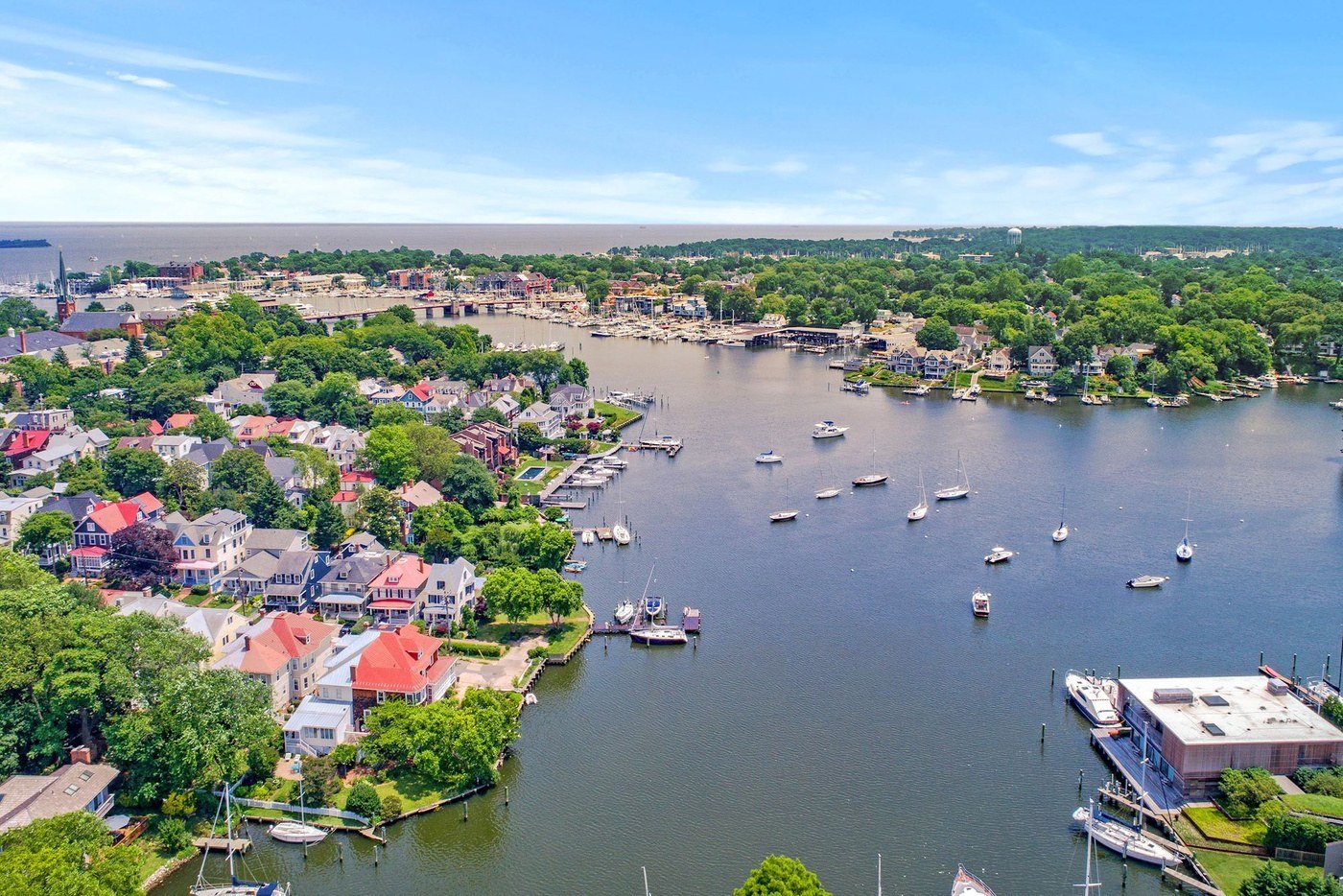
The guide identifies Tier 1, Tier 2, and Tier 3 waterfronts as its final factor. It does not publish the criteria for assigning those tiers.
For a seller, location tiering belongs in a property-specific conversation, not a label applied without explanation. Bring the discussion back to the depth, condition, view, access, and amenities already reviewed. A tier name alone is not a valuation or a justification for an asking price.
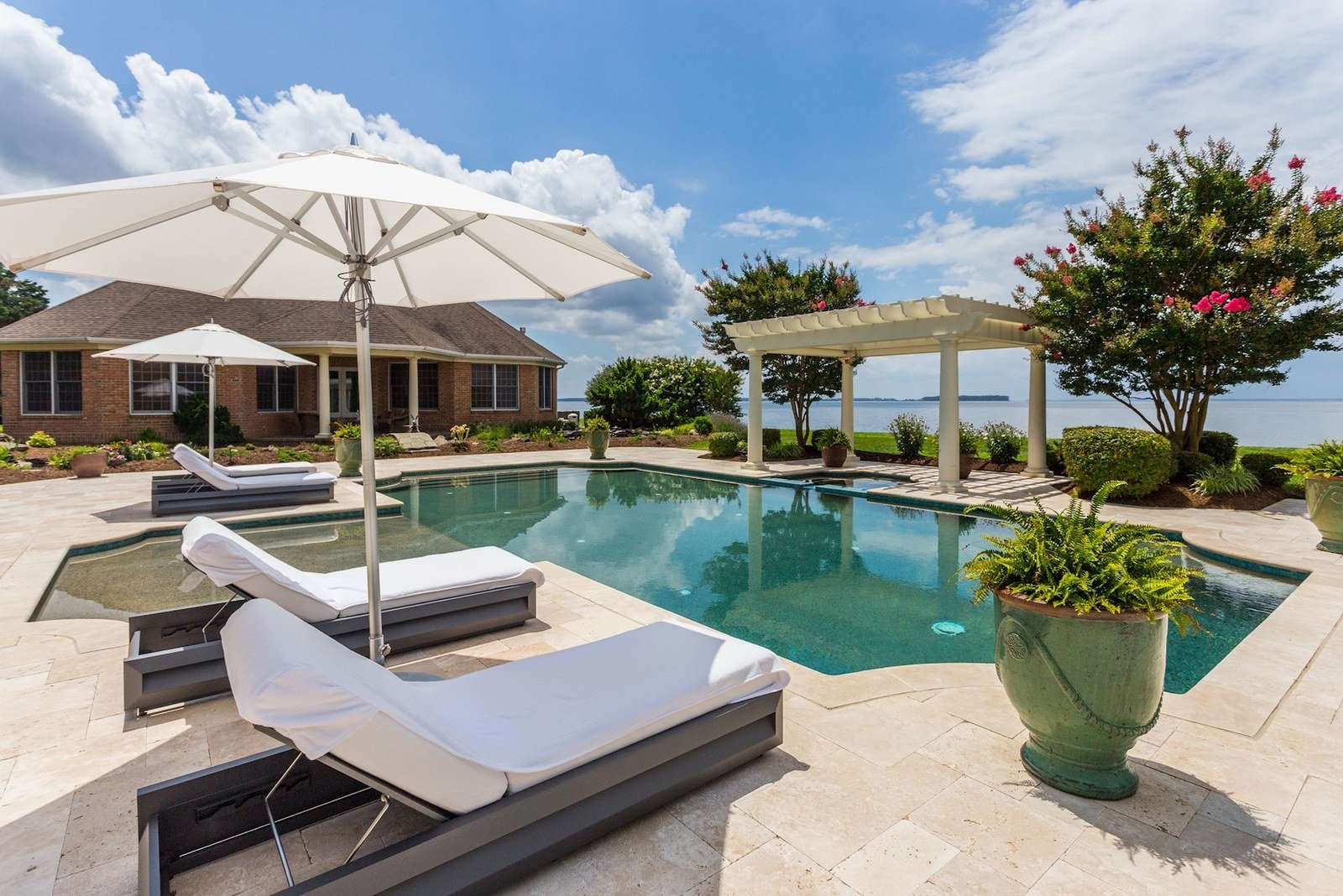
Why Waterfront Buyers Pay a Premium
After the nine factors, the guide returns to lifestyle: boating, kayaking, crabbing, fishing, sunsets, privacy, and prestige.
These are the experiences and qualities at the heart of its waterfront story. Which ones does your home support? How can the presentation connect those qualities with the practical details a buyer needs to understand?
Tell the lifestyle story, then support it with the property details. That is a useful way to apply the guide: keep what makes the home appealing connected to what can be explained and verified.
Plan Your Waterfront Sale
Whether you are preparing to sell now or planning ahead, start with your property, neighborhood, and goals.
Housecats will help map out the plan around those priorities. The nine factors provide a starting point for the conversation; the next step is working through what they mean for your waterfront home.
Call (410) 991-1382 to discuss your waterfront sale. Ready when you are.
Keep the Waterfront Seller Essentials Guide
Keep the full guide as a reference while you work through the questions behind your waterfront home's presentation and sale.
This article is a starting point for a property-specific conversation, not an appraisal, inspection, insurance determination, or guarantee of a sale result. Photographs come from the accompanying Housecats guide and do not establish a property's condition or current availability.