

What will it cost to sell your home—and what will you actually keep?
It is tempting to start with the expected sale price, subtract a commission and a few repairs, and call the rest your next-home budget. But that leaves important questions unanswered. What preparation are you taking on? What happens if a buyer requests a credit? What will it cost to carry the home while you wait? And are you buying another property at the same time?
The Housecats True Cost of Selling guide looks at the whole picture: required expenses, conditional costs, strategic preparation, concessions, pricing, and timing. The goal is not to spend as little as possible on every line. It is to understand which decisions support the result you are trying to achieve.
The Three Categories of Selling Costs
Start by separating the costs into the guide's three categories.
Required Costs
The guide groups closing fees, taxes, legal costs, and mortgage payoff here. These are the first items to work through in your sale budget, with their applicability and amounts confirmed for your transaction.
Conditional Costs
These include repairs, inspections, and appraisal issues. They are part of the conversation about what may arise from the property's condition and the transaction, rather than an identical charge for every seller.
Strategic Costs
These are the decisions around upgrades, preparation, staging, pre-inspections, and landscaping. They deserve a plan: what are you considering, why are you considering it, and how does it fit the sale?
The categories organize the discussion. They are not a fee schedule or a reason to add the same project twice when it appears in more than one preparation list.
Required Costs: Start With the Transaction Details
The guide's required-cost checklist calls out:
- Transfer and recordation taxes.
- Title fees.
- Mortgage payoff.
- Commission.
- Settlement fees and fee trends.
- HOA or condominium resale packages.
- Well, septic, and water testing, with Southern Maryland and the Eastern Shore highlighted in the guide.
“Required” is the guide's planning label, not a statement that every seller owes every item. Confirm what applies to your property, who is responsible, and what the amount will be. The guide does not supply county tax rates, a settlement-fee schedule, or a universal testing requirement.
Commission Is an Agreed Cost, Not a Fixed Rate
The National Association of REALTORS® explains that agent compensation is negotiable and is not set by law. Review the services and compensation in your agreement rather than assuming a standard percentage. The same resource makes clear that offering compensation to a buyer's agent is a seller's choice, not a mandatory offer.
Mortgage Payoff Is Different From a Selling Fee
Mortgage payoff belongs in the proceeds conversation, but it is repayment of an existing debt—not all a new fee created by the sale. The Consumer Financial Protection Bureau explains that a payoff amount can differ from the current balance because it includes interest through the payoff date and may include unpaid fees. Request the payoff amount from your lender or servicer rather than substituting the balance from a statement.

Optional but Common Costs
Once the transaction costs are identified, look at the work you may choose to do before listing. The guide includes eight common preparation items:
- Pre-inspection.
- Repairs.
- Minor upgrades.
- Professional cleaning.
- Window washing.
- Landscaping.
- Trash haul-out.
- Handyman items.
Use this as a discussion list, not an instruction to order every service. What does the home need? What fits your timeline? Which projects belong in the plan, and which do not?
The High-ROI Prep List
The guide narrows the preparation conversation to six priorities:
- A light paint refresh.
- A hardware and lighting swap.
- Landscaping polish.
- Decluttering and editing.
- Floor refinishing only if needed.
- A bathroom refresh focused on hardware, the mirror, and caulk.
“High-ROI” is the guide's name for this preparation list. It does not provide measured returns for these projects or promise that a particular improvement will pay for itself.
At Housecats, we build personalized preparation budgets around your timeline and expected buyer profile. That keeps the conversation tied to your home rather than turning a short list of updates into an open-ended renovation.

Buyer Concessions: A Cost to Discuss Before Listing
The guide's 2025 discussion of buyer concessions identifies four requests to consider:
- Seller credits.
- 2–1 buydown assistance.
- Closing-cost help.
- Repair concessions.
That section describes seller credits of $5,000–$15,000 as common in its 2025 framing. The PDF does not provide supporting market data for that range. Treat it as a figure from the original guide—not a current Maryland average, a required allowance, or an estimate for your sale.
The preparation message is to connect your pricing strategy, pre-inspection approach, and photo and media package with the offer conversation. Preparation does not guarantee that buyers will make no concession requests.
For context, NAR explains that concessions can be offered upfront or negotiated in a purchase agreement. Discuss the request as part of the overall offer rather than treating the presence of a concession, by itself, as a failed sale strategy.
The Cost of Mispricing
A selling-cost plan also needs to consider the asking price. The guide warns about two different risks.
Overpricing: Hidden Costs
The guide connects overpricing with:
- Extended days on market.
- Carrying costs, including mortgage payments, utilities, and insurance.
- Price reductions.
- Lost leverage in negotiations.
Underpricing: Leaving Money on the Table
Its opposite warning is a fast sale that produces a reduced net or fails to make effective use of the buyer pool. These are risks to evaluate, not a claim that every lower asking-price strategy produces the same result.
Our guide's pricing framework considers buyer type, timing within the immediate market, and competition. We build a pricing range rather than select a single number without context.
The useful question is not just, “What price should we ask?” It is, “How does this pricing approach fit the result we want, the competition, and the costs of getting to closing?”

Market-Dependent Costs
The guide uses four regional examples to show why one cost checklist may need a different emphasis from another:
Greater Annapolis: Staging, curb appeal, and presentation for water-oriented buyers.
Eastern Shore: Shoreline, septic, pier condition, and elevation considerations.
Greater Baltimore: Appraisal gaps and the guide's emphasis on inspection-heavy buyers.
Southern Maryland: Well and septic, VA buyers, and Department of Defense relocation timelines.
These are the guide's regional examples, not a county fee schedule or a statement about every buyer. Use them to raise the right questions for your property, then confirm which considerations actually apply.
Timing Costs
The timing section asks you to consider the listing window, seasonal demand in the relevant county, and the costs of continuing to own the home.
Its carrying-cost checklist includes:
- Mortgage payments.
- Utilities.
- Insurance.
- Taxes.
- Pool care.
- Landscaping.
The guide warns that a shift of three to four weeks from an optimal listing window can affect a seller's net. It does not quantify that effect or identify a universal best week to list.
Bring the timing discussion back to your actual costs and goals. What would additional time add to the ownership budget? What are you hoping to gain by waiting? How does that choice fit the preparation still needed?
Move-Up Seller Costs
Selling while buying another home adds a second set of timing and cash questions. The guide identifies five areas to discuss:
- Bridge solutions.
- Temporary housing.
- Moving and packing.
- Storage.
- Carrying two mortgages.
These are planning topics, not a recommendation that every move-up seller needs bridge financing or should carry two loans. Discuss any financing option with your lender and coordinate it with the sale and purchase timelines.
Housecats creates a net sheet and move-up timeline at no cost. The purpose is to connect the sale with the next move before you commit to a sequence that does not fit your situation.
Your Custom Selling-Cost Analysis
Every home is different. The guide brings the final conversation back to your property, buyer profile, and timing.
Housecats builds:
- A personalized net sheet.
- A cost breakdown organized into required, conditional, and strategic costs.
- A move-up timeline, when relevant.
- A pricing strategy range.
- A preparation budget, if needed.
Start with what you need to understand: the costs that apply, the preparation worth considering, the timing of the move, and the money you expect to have available afterward.
Call (410) 991-1382 to request your custom selling-cost analysis. Zero pressure. Actually helpful.
Keep The True Cost of Selling Guide
Keep the full guide as a reference while you work through your selling budget, preparation decisions, and next move.
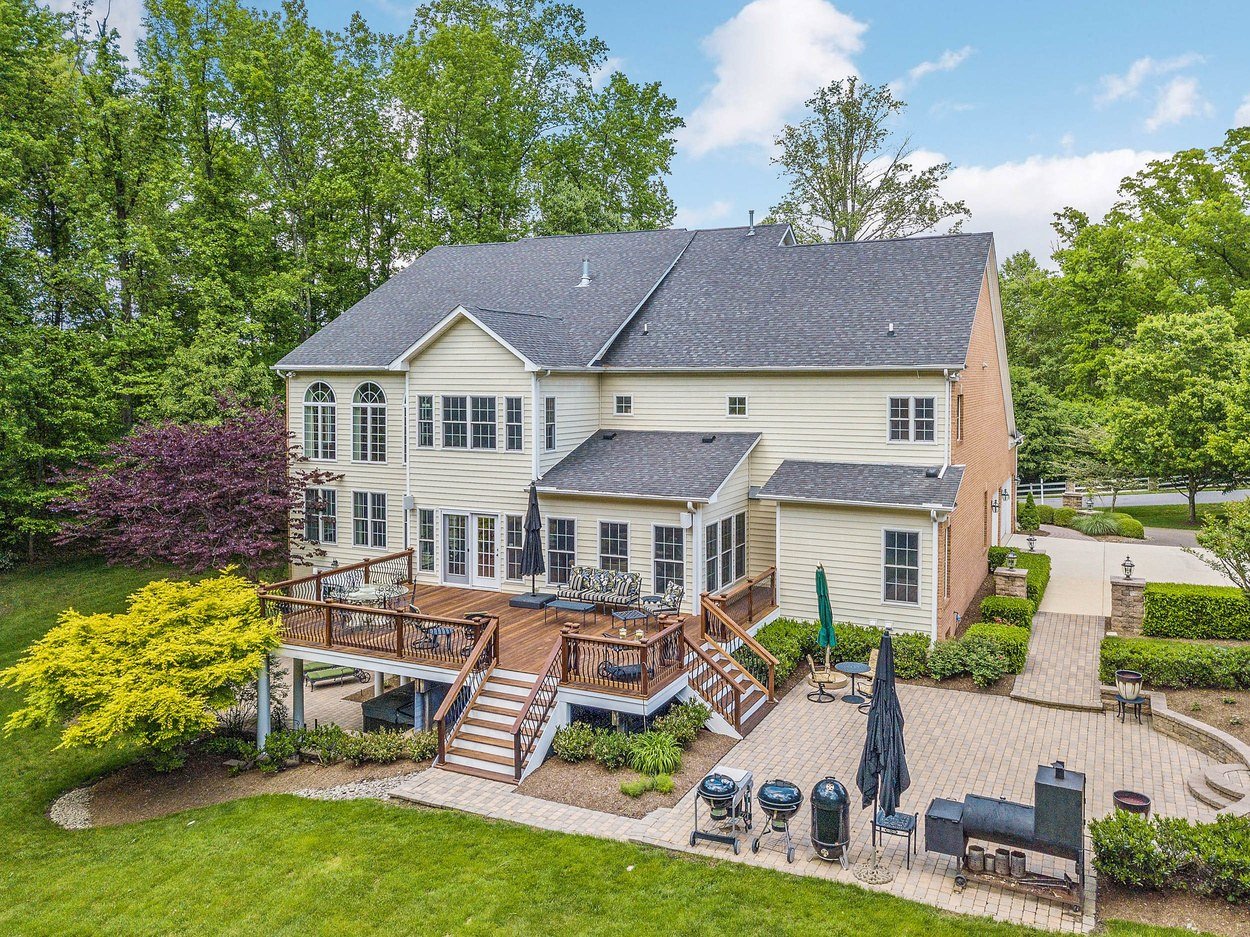
This article is a planning framework, not a property-specific net sheet, tax or legal determination, lender quote, or guarantee of sale proceeds. Photographs come from the accompanying Housecats guide and do not establish a property's condition, selling costs, or current availability.