
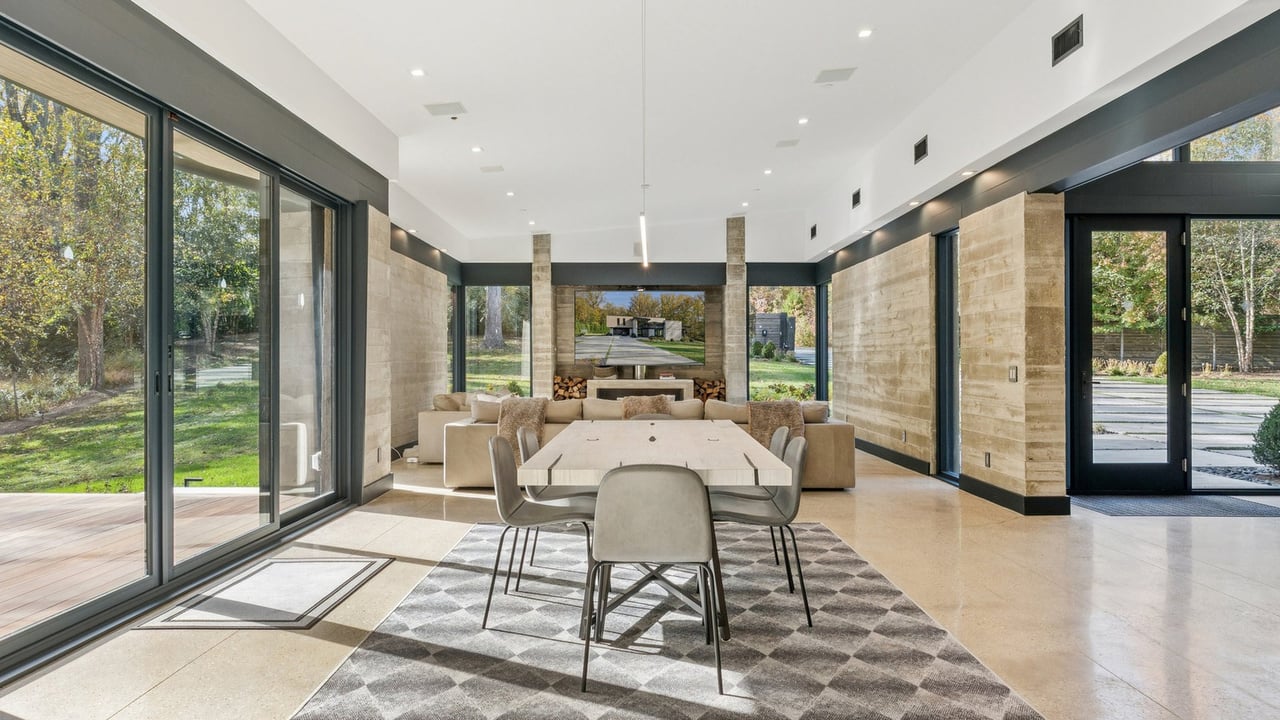
A luxury home can catch your attention quickly. The architecture, the setting, the way the rooms open to the view. It can take longer to understand whether it is the right purchase.
What explains the price? How well does the property fit the way you live? What is the quality of the work behind the finishes? And what needs a closer look before you commit?
The Housecats Luxury Buyer Playbook brings those questions into one process. It starts with your priorities, moves through a focused search, and carries that same attention into financing, offer strategy, inspections, and closing.
Why Luxury Buying Is Different
Our playbook considers luxury buying across Greater Annapolis, Howard County, Greater Baltimore, and the Eastern Shore. Its focus is broader than a price filter: inventory and turnover, competition for quality homes, private offerings, neighborhood differences, lifestyle priorities, build quality, and the inspection and appraisal questions that come with the property.
These are the subjects we bring into a buyer’s market briefing. The aim is to understand the particular search in front of us rather than treat every luxury home, or every Maryland market, the same way.
What Defines Luxury in Maryland?
Luxury isn’t just a price point. It’s a profile. The playbook identifies seven drivers that help describe that profile:
- Architectural design and craftsmanship.
- Location: waterfront, community positioning, and school districts.
- Lot size, privacy, and approach.
- Renovation quality and materials.
- Lifestyle access: marinas, golf, dining, and proximity to downtown.
- Neighborhood tiering and HOA or amenity levels.
- Scarcity: neighborhood turnover and the availability of comparable homes.
Use these as a starting point for comparison. The question is not simply which home has more features, but which combination of design, setting, and lifestyle matters to you.
The Four Profiles of Luxury Buyers
Our playbook organizes luxury buyers around four profiles. Identifying your priorities gives the search and strategy a clearer direction.
The Lifestyle Buyer is buying for waterfront living, golf, equestrian interests, entertaining, or privacy.
The Legacy Buyer is looking for long-term family estate potential, acreage, or multigenerational living.
The Convenience Buyer prioritizes school zones, commutes, community quality, and amenities.
The Investment-Minded Buyer focuses on appreciation potential, new-build quality, or rental potential.
Start with the reason for the purchase. That gives us a way to distinguish what you need from what happens to look appealing in a listing.
Phase 1: Preparation
The luxury buying process starts before the first showing. This is where we establish the priorities, financial preparation, and local context that will guide the search.
Luxury Strategy Session
We begin with your needs, daily rhythms, must-haves, and lifestyle priorities. What do you want your next home to make possible? What would you like it to make easier?
Elite Pre-Approval
The playbook calls this step Elite Pre-Approval: preparing a clear financing position with your lender so that it can be communicated effectively when you make an offer.
The Consumer Financial Protection Bureau notes that a pre-approval is not a guaranteed loan offer. Ask your lender what has been reviewed, what assumptions remain, and what documentation is still needed.
Market Briefing
We review neighborhood tiers, comparable luxury sales, off-market activity, and the difference between homes that are transacting and those that are sitting. The purpose is to give the listings context.
Lifestyle Alignment
We map the search around the priorities you identify: waterfront access, golf, dining, commuting, boating, schools, or another combination of the lifestyle factors in your buyer profile.
Phase 2: The Search
The playbook’s luxury search framework has three parts: work from the broader market to the individual property, consider the discovery channels available, and evaluate homes before committing your time to a showing.
A Macro-to-Micro Market Approach
County → City or Town → Neighborhood → Street → Property.
That sequence keeps the property connected to its surroundings. We narrow the search in stages rather than compare individual houses without considering where they sit.
Off-Market Access
The playbook identifies these discovery channels:
- Agent-to-agent networks.
- Compass Private Exclusives.
- Past-client channels.
- Whisper listings.
- Pocket listings.
These are channels to explore within your search, not a promise that a particular home or a fixed amount of private inventory will be available.
Property Triage
We evaluate listings against build quality, floorplan cadence, lot characteristics, renovation integrity, and price alignment. Floorplan cadence means looking at how the rooms connect and how the layout fits daily life.
The goal is a more focused showing list, with a clear reason for considering each home.
What Drives Luxury Value: The Ten-Point System
The seven drivers describe the broader luxury profile. The playbook’s ten-point system provides a more detailed set of categories for evaluating a property:
- Architectural pedigree.
- Build quality and materials.
- Lot usability and privacy.
- Waterfront or view premium.
- School district tier.
- Community status and amenities.
- Interior volume and ceiling height.
- Natural light quality.
- Age of systems and capital improvements.
- Neighborhood turnover rate.
These are the playbook’s comparison categories, not a published school-ranking system or a formula that produces a price. We use them to organize the questions behind the valuation.
Luxury value is a composite—not a single number.
Luxury Red Flags to Investigate
The playbook flags several areas that deserve a closer look:
- Poor-quality renovations hidden by staging.
- The age of the roof, HVAC, septic, well, and pier, where applicable.
- Deferred maintenance.
- Unpermitted additions.
- Structural issues masked by cosmetic updates.
- High-maintenance lots.
- Reliance on “custom” features without support for their resale value.
- Flood zone changes and insurance trends that need property-specific review.
- Homes that have spent an extended period on the market.
Treat this as an investigation checklist, not a diagnosis. What work was done? What has been maintained? What needs verification? Why has the property not sold? The answers matter more than an assumption based on presentation or time on the market.
Luxury Buyer Financing Options
The playbook treats financing as both a negotiation consideration and a risk-management decision. Its list of lending tools includes:
- Jumbo loans.
- Portfolio mortgages.
- Interest-only options.
- High-balance conventional loans.
- Bridge loans.
- Equity access through a HELOC or home equity loan for a down payment.
- Rate buydown structures.
- Asset-based underwriting.
Use this list to structure a conversation with your lender, not as a recommendation to use every tool or an indication that you will qualify. Ask how the options under consideration fit your long-term goals and the purchase you are planning.
Interest-only financing deserves particular attention. The Consumer Financial Protection Bureau explains that interest-only payments do not reduce the loan balance; payments can rise when that period ends. Do not build a plan around an assumption that refinancing will be available.
Offer Strategy for Luxury Buyers
A strong offer does not need to be a reckless one. Our playbook organizes offer strategy around price banding, terms, and presentation.
Price Banding
We establish a value range rather than start with a guess. The work is to understand the property’s position within that range and use it to inform the offer.
Terms That Signal Strength
The guide’s offer considerations include a competitive earnest money deposit, a clear and streamlined inspection structure, straightforward financing communication, timeline flexibility, and an escalation structure only when advisable.
These are decisions to work through for the individual purchase, not a blanket instruction to remove protections.
Luxury Positioning
The offer should be presented with clarity, intention, and logic. Its price, terms, financing, and timing need to make sense together.
Negotiation in the Luxury Market
Our negotiation framework looks beyond the price to timing, certainty, terms, inspection posture, seller psychology, market knowledge, and professionalism.
What does the seller need from the timing? What uncertainty does the offer address? Which terms matter to you? The conversation should be grounded in what we can establish rather than assumptions about either side.
The playbook’s approach is confidence without aggression: understand the position, communicate it clearly, and keep the purpose of the purchase in view.
Inspections for Luxury Properties
The playbook calls for an inspection approach that looks beyond the general home inspection and considers the property’s specific features. Its additional review categories are:
- A structural engineer for an older or modified structure, where appropriate.
- Well and septic.
- Water quality.
- Dock and pier analysis.
- Shoreline and bulkhead evaluation for waterfront property.
- Mold, radon, and pests.
- Roof and system-age verification.
- Pool and spa inspection.
- HVAC zoning verification.
- Chimney inspection or sweep for older masonry.
The relevant reviews depend on the property. The point is to understand the systems and specialty features you are taking on, with the appropriate professionals involved in the evaluation.
The Luxury Buying Timeline
The playbook provides this planning sequence, with additional time devoted to due diligence:
Weeks 1–2: Strategy session and Elite Pre-Approval.
Weeks 2–4: Market briefing and off-market discovery.
Weeks 4–8: Showings and analysis.
Weeks 8–10: Offer, negotiation, and contract.
Weeks 10–14: Inspections, specialty evaluations, and appraisal.
Weeks 14–16: Loan finalization, title, and closing.
This is the guide’s illustrative sequence, not a measured average, a guaranteed sixteen-week process, or a substitute for the deadlines in a purchase contract. Use it to understand the work involved, then build the timing around your actual purchase.
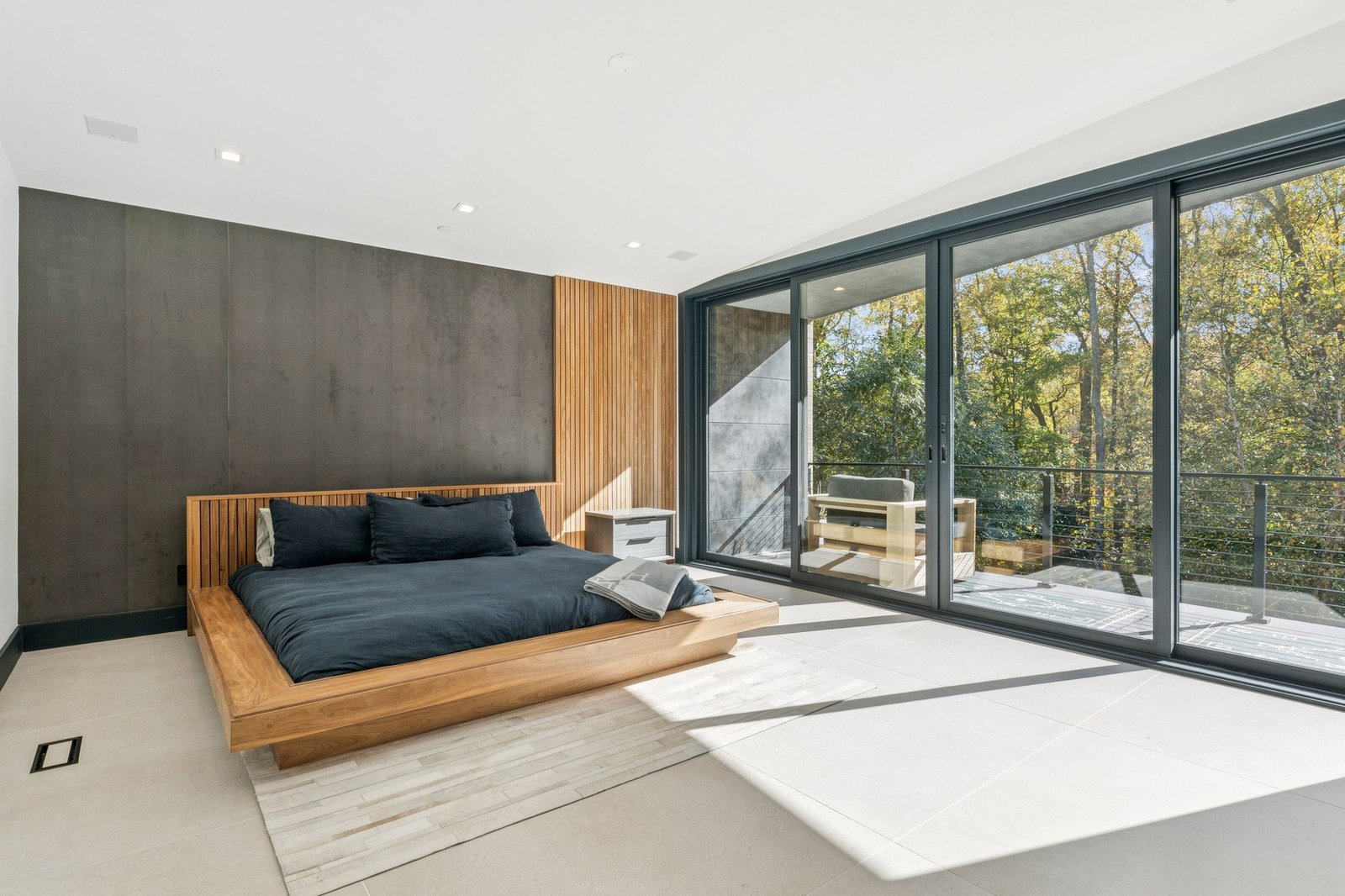
What Makes a Luxury Home “The One”?
Our playbook looks for alignment among lifestyle, daily flow, light quality, privacy, neighborhood culture, long-term appreciation potential, emotional connection, and practical value for your life.
Appreciation is something to evaluate, not an outcome this guide can promise. The same care belongs in the lifestyle questions: does the home work for an ordinary day, not just an impressive showing?
We help you separate the excitement of finding a beautiful property from the question of whether it fits the life you want to build there.
The Housecats Luxury Buyer System
The Luxury Buyer Playbook brings these services together:
- Lifestyle and location mapping.
- Neighborhood tier analysis.
- Off-market access.
- Architecture and build analysis.
- A 40-point due diligence framework.
- Advanced financing strategy, coordinated with your lender.
- A tailored offer structure.
- Inspection and vendor coordination.
- Long-term value planning.
The aim is a partnership that connects your goals with the property analysis and the decisions required to complete the purchase.
Start Your Luxury Home Search With a Strategy
Your next home should support the lifestyle and comfort you are looking for. Start by defining what that means before building the showing list.
In a Housecats Buyer Strategy Session, we work through your luxury buyer profile, market and neighborhood briefing, off-market discovery plan, build-quality evaluation, price strategy, and offer plan.
Call (410) 991-1382 to book your Buyer Strategy Session. Zero pressure. Actually helpful.
For the broader homebuying process, read our Homebuyer Roadmap.
This article is a starting point for a property-specific conversation, not a substitute for lender guidance, inspections, or professional review. Photographs come from the accompanying Housecats guide; they do not establish a property’s condition or current availability.