
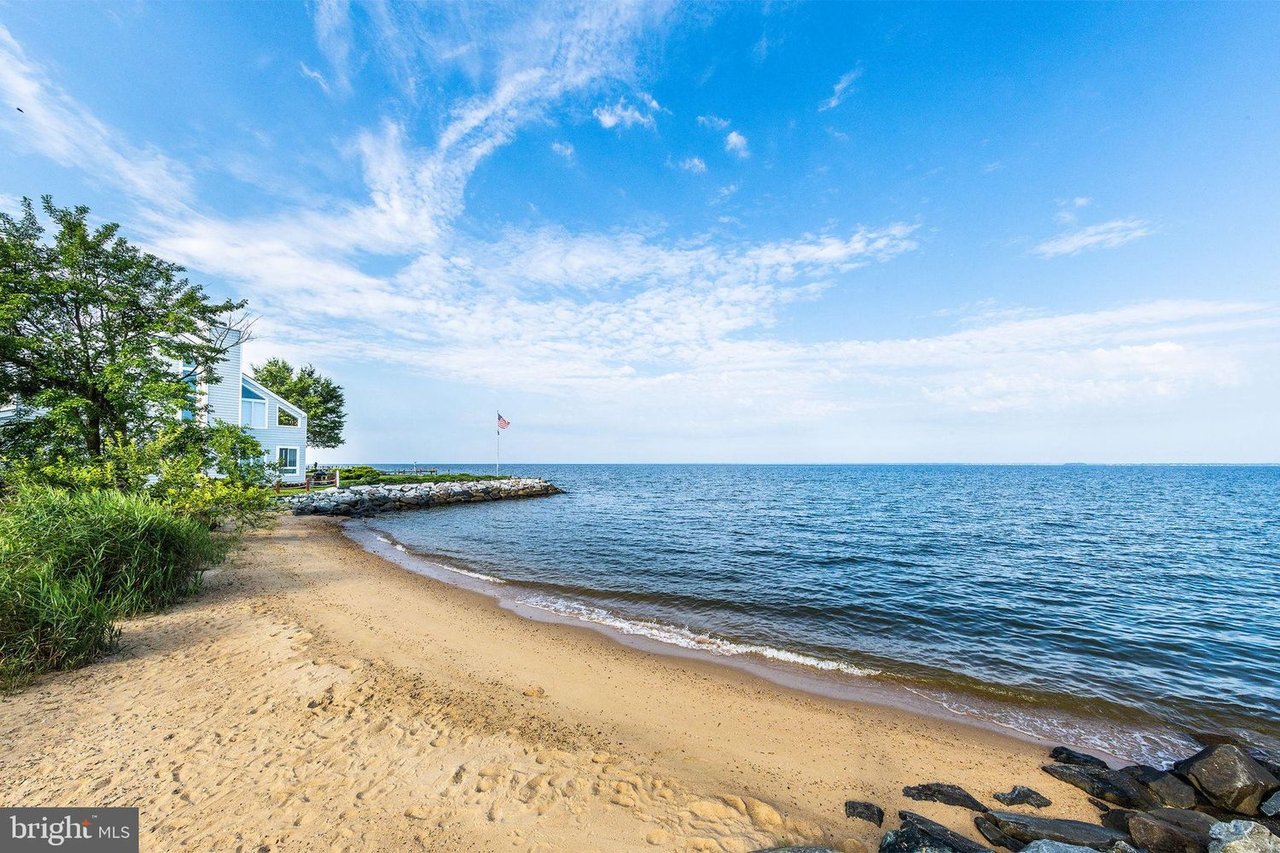
There is a particular ease in arriving somewhere that is already yours. The coffee is in the cupboard. The chairs are waiting outside. You can spend the morning on the water without wondering whether you have packed everything for the trip.
That is the appeal of a second home: less arranging, more returning. The other side is that the house still needs care during the weeks you do not go.
A good second-home purchase gives you a place you will genuinely use, at a cost you can carry, with responsibilities you are prepared to manage. Renting it out, sharing it with family, or eventually moving there can add possibilities—but each needs a workable plan of its own.
For a Maryland buyer, the question is not simply where you would enjoy a perfect weekend. It is where owning a home would make the rest of the year better, too.
Start With the Calendar You Already Have
Before touring, look at the coming year. Mark work obligations, school and sports schedules where relevant, holidays, other travel, and the weekends you actually have available.
Now decide how you expect to use the home: frequent short escapes, several longer stays, remote-work weeks, or a gathering place for people who live apart. Those patterns call for different locations and layouts.
Be specific about guests. A home designed for an occasional full house should still work comfortably when only one or two people are there. Extra bedrooms do not create extra free weekends, and hosting every visit may not be the break you had in mind.
Use one calendar for your stays and any proposed rentals. The July week you want to reserve for family cannot also be counted as an available rental week. Make that trade-off visible before a revenue projection makes the property look affordable.
There is no minimum number of nights that makes ownership worthwhile for everyone. The useful test is whether the likely use—not the imagined maximum—justifies the commitment for your household.
Choose Your Kind of Maryland Getaway
Start with the activity you want to make easier, then find the location and property type that support it. A private waterfront lawn, a town-center cottage, and a condominium near a marina offer different versions of time away.
Annapolis and nearby Anne Arundel communities: compare a place close to the destinations you intend to use with a more secluded property. Walk the actual route to dinner, the water, or a marina. Do not assume that being in a familiar town means every address gives you the same experience.
Kent Island and the Mid-Shore: test the complete journey to shortlisted homes around Kent Island, St. Michaels, Oxford, Easton, or Cambridge. These are separate destinations, not one interchangeable “Eastern Shore” commute. When your route uses the Bay Bridge, check MDTA's crossing advisories and try the trip at your likely departure and return times.
Southern Maryland: compare places around Solomons, the Patuxent, and the lower Potomac against the actual way you want to spend a visit. Establish the route, services, and water access for each property instead of treating “near the water” as the complete brief.
Ocean City and Deep Creek Lake are different searches again. A broader Maryland wish list is fine; the practical comparison still needs the full journey and the services you would use. Confirm jurisdiction-specific rules rather than carry Chesapeake assumptions into another market.
Try a stay outside your favorite season. Check internet service at the address, space for a work call, access to everyday supplies, and what a rainy day there would feel like. A second home should have a life beyond its best photograph.
Would Water Access Serve You Better Than Waterfront Ownership?
Compare the actual alternatives: a house with its own shoreline, a property with documented community access, or a home paired with a separately arranged marina slip. Request the rights, availability, charges, restrictions, and transfer terms for whatever access you intend to rely on.
Our view: there is little reason to pay for the responsibilities of private waterfront ownership when the activity you want can be served better another way. The reverse can also be true. Decide which part of the experience matters enough to own.

See the Full Cost Before Subtracting Rent
Begin with a budget that assumes no rental income. This is a stress test, not a claim that every second-home owner must reject renting. It shows what the property asks of you before somebody else's bookings enter the calculation.
Separate three categories:
- Acquisition and setup: down payment, closing costs, inspections, immediate work, furnishings, linens, equipment, and anything not included in the sale.
- Recurring ownership: debt payments, property taxes, insurance, association charges, utilities, internet, cleaning, grounds care, travel, and local oversight.
- Reserves: funds for repairs, capital replacements, deductibles, assessments, and periods when the property cannot be used or rented.
Ask for bills, maintenance records, inspection findings, association documents, and written service quotes. Distinguish known expenses from allowances and unknowns. A roof reserve and a cleaning budget do different jobs.
Compare the commitment with continuing to rent for the visits you actually expect to take. Include the value you place on leaving belongings there and returning to the same place, but also the cash tied up and the freedom to travel elsewhere. Cost per owner night can be a useful spending check; it is not an investment return, and mortgage principal repays debt rather than becoming an operating expense.
If rent is necessary to make the purchase work, identify it as an essential assumption. The underwriting, permissions, insurance, and operating plan must then support that dependence. Do not hide it behind the phrase “it should pay for itself.”
Maryland's Homestead Credit Is for a Principal Residence
SDAT limits Homestead Tax Credit eligibility to one qualifying principal residence. An occasional-use second home does not gain that protection simply because you own it or intend to retire there later.
Have the settlement team and tax adviser review the post-purchase tax picture. Do not use the current owner's credited tax bill as your confirmed annual cost.
Tell the Lender How You Will Actually Use It
A household's second property is not automatically a “second home” for mortgage purposes.
Fannie Mae's second-home criteria include borrower occupancy for part of the year, a one-unit home suitable for year-round use, and the borrower's exclusive control. Timeshare arrangements and agreements giving a management firm control over occupancy do not qualify.
Its guidance also makes an important qualification: identified rental income does not necessarily disqualify the property, provided the income is not used to qualify and all other second-home requirements are met. That is neither a universal ban on renting nor permission for every vacation-rental arrangement.
Explain intended rentals, co-ownership, management arrangements, and existing housing debts before requesting loan terms. Your lender must determine the applicable program and classification. Keep the application truthful to your actual intent.
Ask about cash needed at closing, reserves, the treatment of both homes' payments, and property eligibility. Compare Loan Estimates rather than just rate quotes. Using equity borrowed against your primary home also creates an obligation there; include that payment and risk in the comparison.
Can You Rent Out a Second Home in Maryland?
The answer starts with the exact address and proposed rental pattern. Check local zoning and licensing, association documents, loan terms, and insurance. A property's presence on a booking website does not establish that your intended operation is permitted.
Talbot County's short-term rental process includes inspections and review of new applications. The county directs properties within Easton, Oxford, St. Michaels, Trappe, and Queen Anne to those municipalities for licensing requirements.
For properties governed by the county's rules, the rental license is nontransferable, and a property transfer requires a new application. The county code also limits applicants to record title holders. Work with counsel and the reviewing office on what can be established before purchase; do not budget as though the seller's operating permission simply comes with the keys.
Annapolis has its own distinction: the city's portal separates short-term rental licensing from Navy Graduation/boat-show-only registration. An event-specific arrangement does not establish an unrestricted rental plan.
Confirm any occupancy limits, minimum stays, parking rules, local contact requirements, taxes, renewal conditions, and pending enforcement matters. Obtain the actual licenses and conditions, not just an owner's description. These examples are reasons to investigate, not a complete rental ordinance for every Maryland location.
A Rental Projection Needs Your Calendar in It
Request the property's available operating records and ask what each figure represents: advertised nightly prices, booked stays, collected revenue, cancellations, or money remitted after fees. Look at the dates, not just an annual total.
Then remove the periods you plan to reserve for yourself. Price management, platform charges, cleaning arrangements, supplies, utilities, insurance, maintenance, repairs, and taxes that apply. Do not treat guest taxes collected for remittance as spendable owner income, or deduct a fee twice when it is already withheld from a statement.
Test reduced bookings and a period out of service. Use the actual records to inform assumptions, and label scenarios as scenarios—not a guaranteed yield.
There is a real choice between keeping favorite dates open for yourself and offering them to paying guests. Neither is wrong. But the same calendar cannot maximize both without a trade-off.
Keep a comparison in which you do not rent at all. It tells you whether a future rule change, an unexpected repair, or a decision to use the house more would leave you with a manageable home or an urgent financial problem.
Keep the Tax Rules Separate From the Rental Permission
Federal tax treatment uses its own tests. IRS Topic 415 treats a dwelling as used as a residence when personal use exceeds the greater of 14 days or 10% of the days rented at fair rental value. Mixed personal and rental use generally requires expense allocation and can limit deductions.
A separate rule applies when you use the dwelling as a residence and rent it for fewer than 15 days during the year: that rental income is not reported, and expenses are not deducted as rental expenses. This is not a permit exemption or a general authorization to rent for two weeks.
Publication 527 explains that some use by family members, co-owners, or people paying below-market rent can count as personal use, with specific exceptions. Keep dated records of who used the property and on what terms. Your own overnight stays are not necessarily the complete count.
Do Not Assume Every Interest Payment Creates a Deduction
IRS mortgage-interest guidance applies limits across qualifying main- and second-home debt and ties home-acquisition debt to the home securing it. Borrowing against your primary home to buy another property does not automatically make that interest deductible as qualified home-mortgage interest.
Have your tax adviser examine the source and use of funds, the ownership structure, and the tax year. Work out affordability before counting a deduction that has not been confirmed.
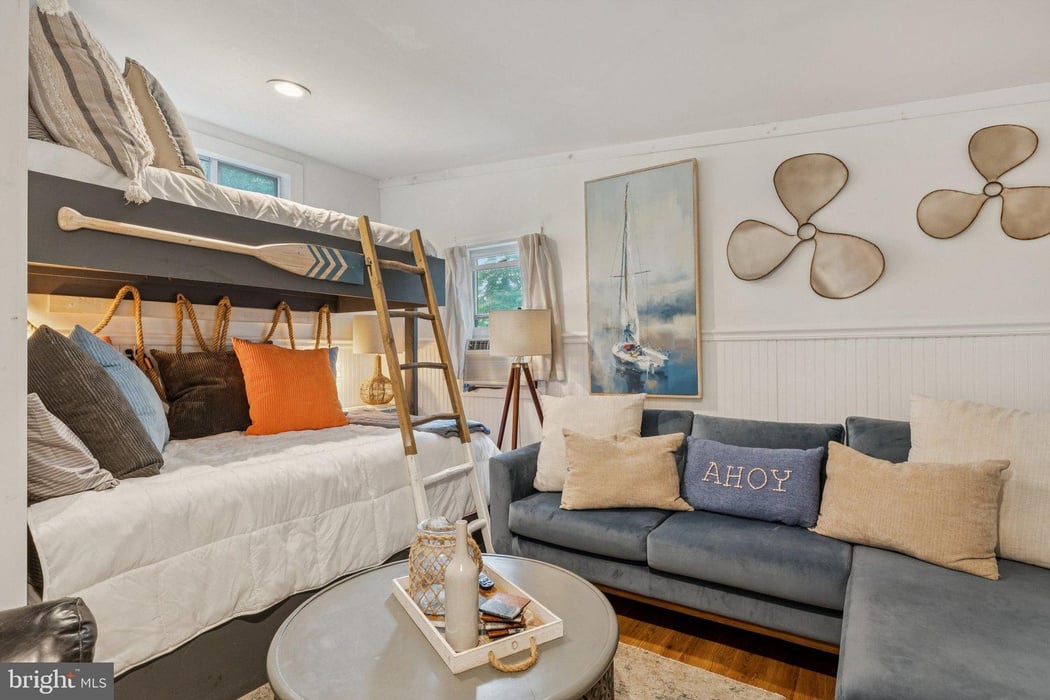
Inspect What Makes This Home Different to Own
Start with an independent home inspection and appropriate specialist reviews. Establish the roof and system condition, drainage, renovation history, and any well, septic, pool, pier, or shoreline responsibilities. Ask for documentation behind the features you are relying on.
At a waterfront property, verify access rights, permitted improvements, relevant depths, and the route to open water with the appropriate professionals. For changes you consider essential, obtain a property-specific review before making the purchase depend on them. A bigger deck, guest cottage, or cleared view may require approvals you do not yet have.
A Condominium Changes the Work, Not the Need for Due Diligence
Review the association's budget, reserve study, meeting minutes, master insurance, planned work, assessments, rental rules, and the division of maintenance responsibilities. Ask what your unit policy needs to cover and how shared costs could reach you.
Fannie Mae's project rules identify hotel-like operations and certain critical-repair conditions as eligibility issues. Mandatory rental pooling or limits on your right to occupy deserve particular attention. A condominium near a resort is not automatically a condo-hotel; have the lender review the actual project.
Convenience may be worth paying for. Understand what the fee purchases, what remains your job, and what is still an unresolved obligation.
Insure the Home You Will Own, Including the Weeks You Are Away
Give the insurance professional the intended use in writing: personal stays, paying guests if any, periods without occupants, the proposed owner, and the property's special features. Ask about deductibles, exclusions, occupancy conditions, liability, and any requirements for checks or winter preparation.
The Maryland Insurance Administration warns that a second-home policy may not cover damage while the property is rented. A platform's host protection should not be assumed to replace the coverage your insurer says you need.
Most standard homeowners policies do not cover flood damage. Obtain a separate flood-risk and coverage review where relevant, including what is required by the lender. Also ask specifically about piers, docks, and bulkheads; insuring the house does not automatically settle coverage for waterfront structures.
Get the quote before the purchase deadline forces a decision. The policy's conditions belong in the operating budget and care plan, not in a folder nobody opens until there is a loss.
Decide Who Gets the Call When You Cannot Be There
A useful care plan names people and tasks. Who checks the home after a storm? Who responds to an alarm, loss of heat, or water leak? Who is authorized to admit a contractor or approve urgent work?
Agree on inspection frequency, access, spending authority, reporting, and a backup when the first contact is unavailable. Have qualified professionals establish seasonal procedures for the specific house and its systems.
MIA's frozen-pipe guidance notes that coverage can depend on reasonable preventive measures and policy requirements. Ask your insurer and plumber to align the winter plan rather than improvise around a generic thermostat recommendation.
Remote sensors can provide information. Somebody still needs to act on it. Likewise, a cleaner, a house-watch provider, and a rental manager may offer different services; confirm the scope instead of assuming one person handles everything.
The smaller maintenance burden may deliver the greater sense of escape. Choose the property and service plan that leave time for the reason you came.

Sharing the Home Starts With More Than Splitting the Price
For relatives or friends buying together, discuss holidays, booking priority, guests, pets, rentals, cleaning, routine expenses, major repairs, and decisions about improvements before choosing the property.
Then work with an attorney on ownership, decision-making, contributions, disputes, and what happens when someone wants out, cannot contribute, dies, or has a change in circumstances. Ask the lender and insurer to review the proposed arrangement. An LLC, trust, or fractional offering is not an automatic solution to every issue.
Write down the exit method while everyone is enthusiastic. How would an interest be valued? Could someone sell to an outsider? What happens when the remaining owners cannot fund a buyout?
These questions protect the relationship as much as the real estate. A shared getaway should not depend on everyone silently imagining the same rules.
Buy for Today, Verify the Possibilities for Later
“We could retire here” is worth exploring. Test year-round comfort, access to healthcare and everyday services, space for daily work or visitors, and how the house would function with changing mobility needs. A pleasant week in summer does not answer those questions.
Check the legal and financial steps separately. IRS guidance on selling a main home explains how periods of nonqualified use and rental depreciation can affect the gain exclusion. Moving into a former vacation home later does not automatically erase its earlier tax history.
Likewise, “we can rent it later” and “we can sell whenever we need to” are plans to test, not guarantees. Review permitted uses, comparable sales, selling costs, and the cash you would need to carry the home through a longer sale.
Flexibility is worth more when it is documented. Buy a home that makes sense for the use you can support now. Treat future possibilities as additional options, not the explanation for a purchase that otherwise does not work.
Bring the Evidence Together Before the Offer Becomes Urgent
For a serious candidate, assemble the use calendar, no-rent budget, financing terms, insurance quote, condition findings, ownership documents, and local care plan. Add the rental evidence and approval path only when that use is part of the proposal.
Work with your agent and attorney on the access, documents, deadlines, and contingencies needed for the investigation. Where the sale includes furniture, equipment, existing bookings, or service contracts, identify exactly what is included and how any proposed transfer would work.
The broader Housecats Homebuyer Roadmap carries the purchase through offers and closing. This guide adds the questions that come from owning a home you will not occupy every day.
Leave Yourself Room to Enjoy It
Keep watching three things after you buy: how often you actually go, what the home costs to operate, and whether your intended uses remain permitted and insured. Revisit the plan when those facts change.
Owning less house, renting before buying, or choosing a more convenient location can all be better decisions than stretching for a destination you rarely reach. So can proceeding with a property whose responsibilities you understand and welcome.
The reward is not simply owning somewhere else. It is having a place that becomes part of your life without taking over the rest of it.
Call (410) 991-1382 to plan your Maryland second-home search. Start with the time you want to spend there. Build the ownership plan around making that time possible.
Research reviewed September 22, 2026. This is general buying and ownership information, not individualized legal, tax, lending, insurance, or investment advice. Confirm current rules and property-specific decisions with the responsible professionals and authorities. Photographs from the Housecats guide library are illustrative and do not establish location, condition, legal access, rental permission, or current availability.