
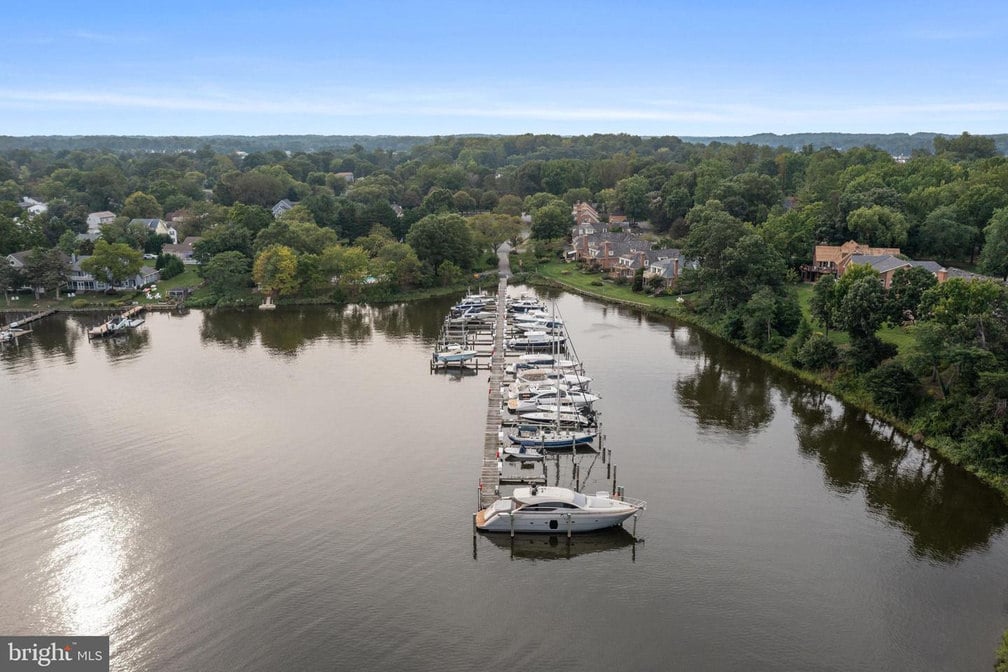
A waterfront home can be easy to fall for. The view, the pier, the idea of spending more time outside—it’s not hard to picture the life you could have there.
Before you choose one, there are other questions to answer. Will the water work for the boat you have in mind? How direct is the trip to open water? What condition is the shoreline in? And what will you be responsible for maintaining?
At Housecats, our Waterfront Buyer Essentials Guide organizes the search around nine factors that go beyond bedrooms, bathrooms, and square footage. Together, they give us a framework for evaluating the property, the lifestyle, and the responsibilities that come with ownership.
1. Water Depth (MLW)
Water depth comes first in our waterfront evaluation, especially when boating is part of the plan. It connects the property you buy with the way you intend to use the water.
MLW means Mean Low Water. For technical context, NOAA defines it as the average of low-water heights over the National Tidal Datum Epoch. It is a reference elevation—not, by itself, a measurement of the depth at an individual pier.
What to consider
- 4–6+ feet of depth at MLW: the guide’s premium-deep-water reference.
- 2–3 feet of depth at MLW: the guide flags greater limitations on boat size.
- Sailboat versus powerboat requirements: evaluate the property around the boat you intend to use.
- Tidal fluctuation and seasonal depth changes: include both in the depth review.
Those depth ranges are comparison points from our guide, not verified measurements for a listing or a guarantee that a particular boat will fit. Depth and tide evaluation are part of the Housecats waterfront buyer process.
2. Pier, Dock & Lift Structure
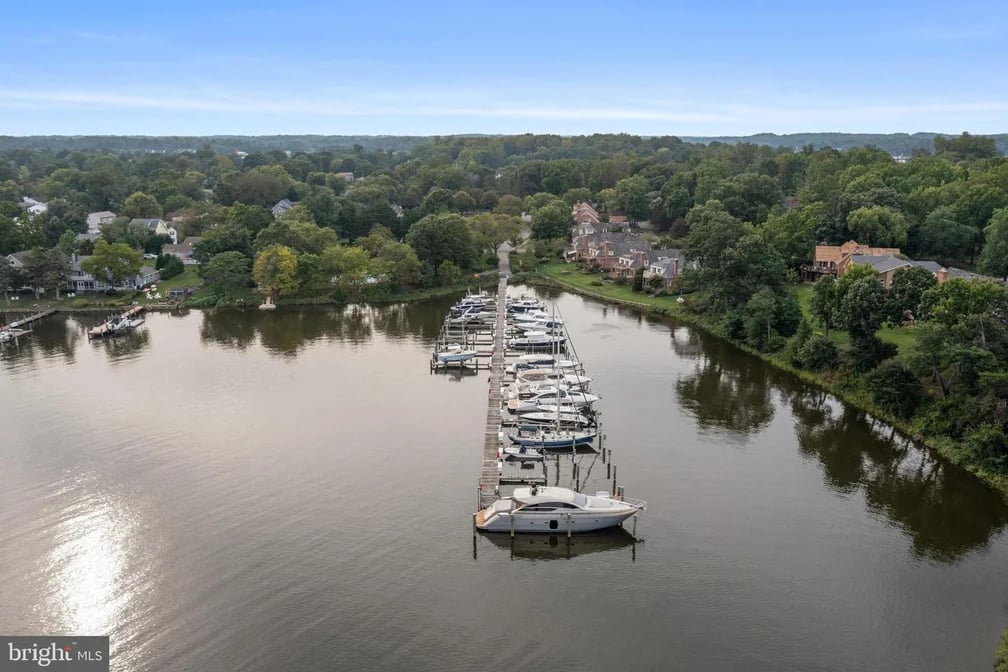
Not all piers offer the same condition, configuration, or convenience. The dock deserves a review of its own rather than a quick look from the backyard.
The buyer checklist
- Piling health.
- Decking condition.
- Electrical and water service.
- Depth at the end of the pier.
- Boat lift capacity.
- Slip configuration.
- Permitting history.
The goal is to understand what is there, how it fits your plans, and what needs further investigation. A pier’s usefulness is about more than its appearance.
3. Shoreline & Bulkhead Condition
The shoreline belongs in the same conversation as the house and the pier. Our review considers bulkhead age and material, riprap condition, any living shoreline installation, erosion history, and storm resilience.
Our guide flags a failing shoreline as a potential six-figure expense. That is a warning about the possible scale of the work, not a cost estimate for a particular property. The guide does not provide a project scope or pricing.
Before treating the shoreline as a settled detail, establish its condition and what work may be needed. This is one of the areas where our waterfront vendor recommendations can help guide the next conversation.
4. Flood Zone & Elevation
Flood zone and elevation deserve their own review. Our waterfront framework connects them to five ownership questions:
- What flood insurance will be required?
- What will insurance premiums look like?
- What long-term maintenance should be considered?
- What storm vulnerability needs to be investigated?
- How does the property compare when considering future resale?
Our guide treats stronger elevation as a positive in the comparison. It should not be read as a guarantee of lower insurance costs, greater resale value, or freedom from flooding.
For insurance context, FEMA’s explanation of flood-insurance pricing identifies several inputs, including distance to a water source, elevation, and rebuilding cost. Have your lender and insurance professional confirm the requirements and quote for the property rather than relying on elevation alone.
The Housecats process includes a custom flood zone and elevation assessment as part of the broader property review.
5. Water Orientation & View Corridor
This is the part of the search that connects the property’s setting with the feeling of living there.
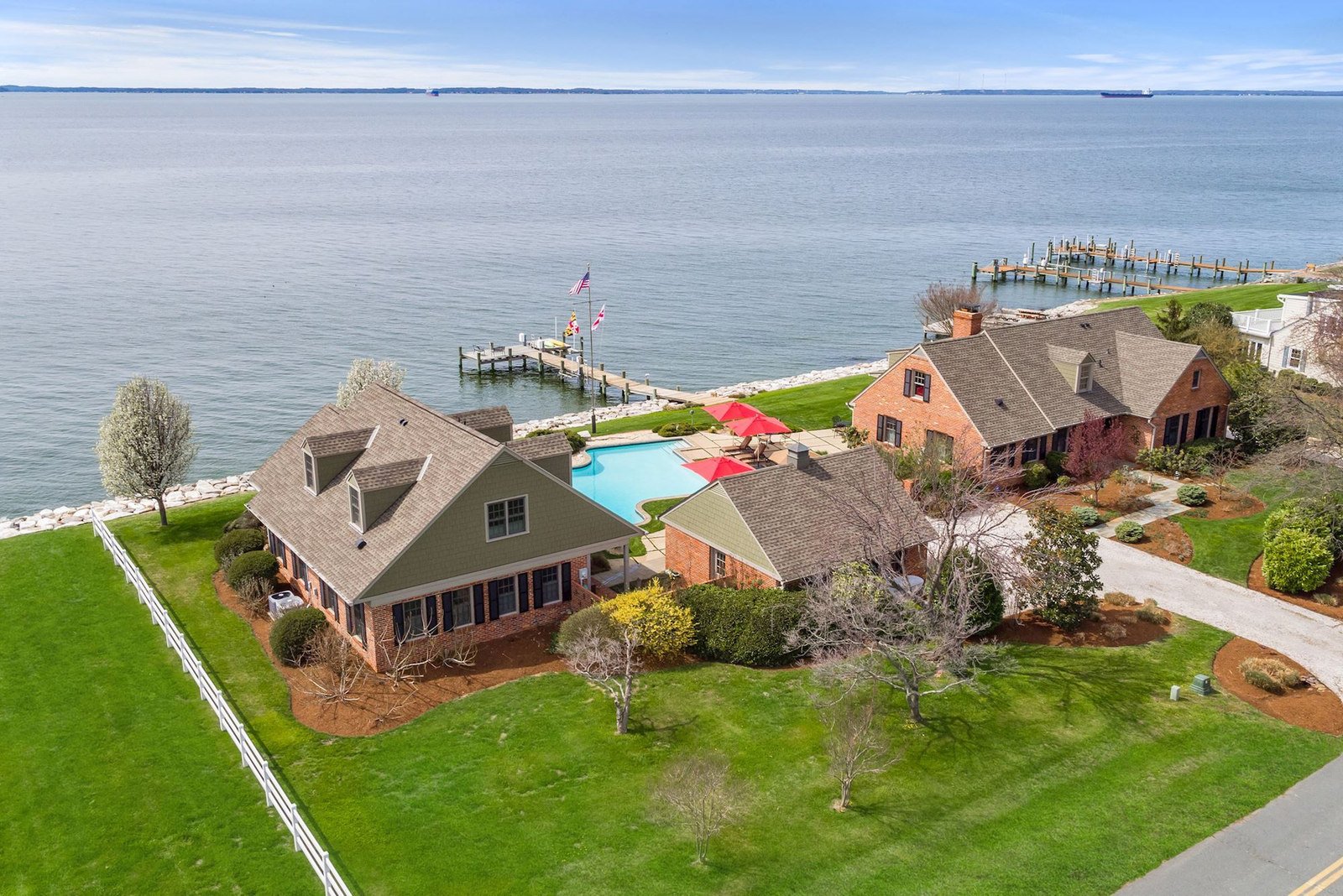
Our guide highlights south-facing light, unobstructed water views, sunrise or sunset exposure, privacy from adjacent lots, and long versus short water views as features to consider when comparing waterfront appeal.
Which of those matters most to you? A broad view, a particular exposure, and a more private setting are different priorities. Be clear about the experience you are looking for before deciding which features deserve a premium in your search.
6. Water Type
“Waterfront” is not one category. Our guide uses five water types to organize the differences in setting, access, and lifestyle:
Bayfront: the guide’s highest-premium category.
Riverfront: emphasizes strong water depth and lifestyle.
Deep Creek: described in the guide as protected water with boating appeal.
Canal Front: a calmer-water setting, with reduced depth flagged for consideration.
Tributary Frontage: a scenic setting, with limitations on access to the Bay noted in the guide.
These are comparison categories, not a substitute for checking an individual property’s depth and access. Use them to narrow the kind of waterfront you are looking for, then investigate the property itself.
7. Access to Open Water
The depth at your pier and the route to open water are separate questions. Both belong in the search when boating is part of the plan.
Review the route, not just the destination
- Distance to the Bay.
- No-wake zones.
- Bridge clearance restrictions.
- Channel dredging.
- Marina proximity.
Think through the trip you expect to make from the property. The question is not simply whether you can see the water, but whether the access fits the way you intend to use it.
8. HOA & Community Amenities
Some waterfront communities offer private beaches, marinas, boat ramps, walking trails, or guarded and gated entry. Those features belong in the lifestyle comparison.
The restrictions deserve equal attention. Our guide specifically flags architectural restrictions because they can limit renovation or expansion plans.
We research community overlays and covenants as part of the buyer process. Review what the community offers and what it restricts before your plans depend on making changes to the property.
9. Location Tiering
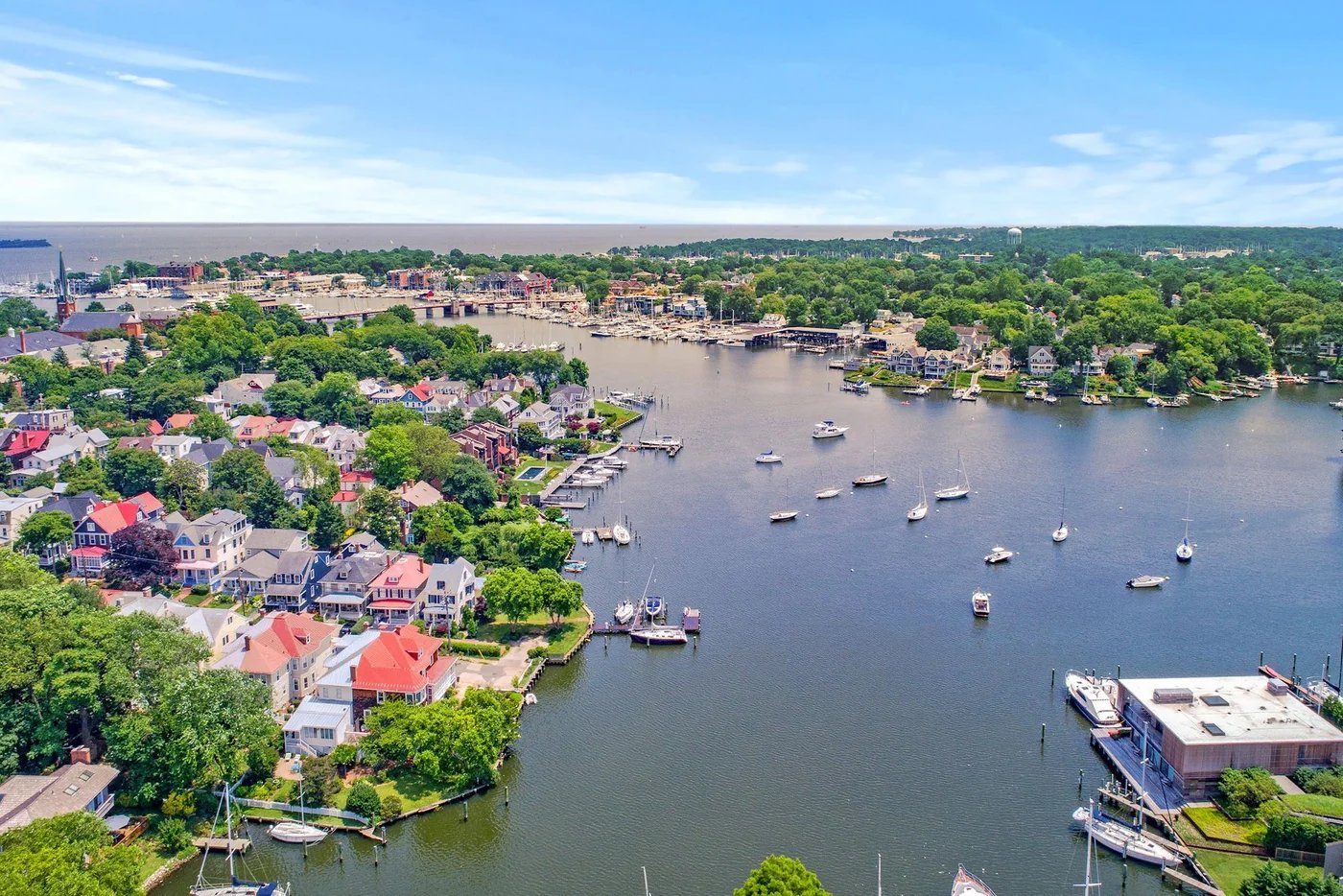
Housecats uses a three-tier framework to bring access, depth, views, and overall desirability into the same conversation.
Tier 1
Deep water, unobstructed views, strong elevation, and fast access to the Bay.
Tier 2
Good water with some limitations in depth, distance, or orientation.
Tier 3
Protected water with limited depth or access, emphasizing a scenic, non-boating lifestyle.
These are Housecats comparison tiers, not official property classifications. They describe combinations of features; protected water by itself does not place a property in Tier 3.
The purpose is to understand what explains a property’s position in the market and which trade-offs fit your priorities—not to treat every waterfront home as interchangeable.
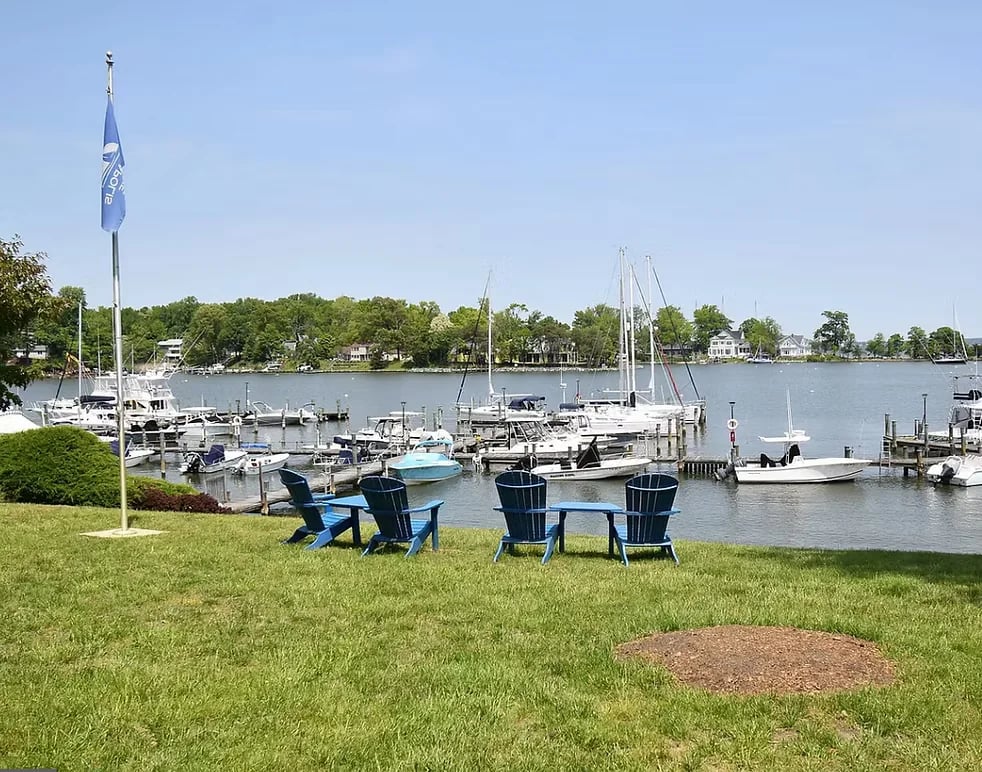
What Waterfront Buyers Pay a Premium For
Our guide brings the discussion back to lifestyle: boating, kayaking, fishing, crabbing, paddleboarding, outdoor living, sunsets, privacy, proximity to nature, and the feeling of a weekend escape.
Which of those is the reason for your move? That answer gives the property review direction. A feature that matters to another buyer may not be the reason you choose a home.
We help you identify the lifestyle fit that matters most, then use the nine factors to evaluate whether a property supports it.
Hidden Costs of Waterfront Ownership
These are not automatic dealbreakers. They are ownership categories to understand alongside the purchase price.
- Shoreline maintenance.
- Storm preparation.
- Dock and pier upkeep.
- Tree and foliage management.
- Insurance variances.
- HOA and waterfront community assessments.
We walk buyers through these categories so the search includes a clear conversation about ongoing ownership—not simply the offer number.
The Housecats Waterfront Buyer System
Our waterfront buyer system brings the property questions and the buying strategy together:
- Depth and tide evaluation.
- Shoreline and elevation review.
- Community research.
- Buyer profile and lifestyle alignment.
- Market timing strategy.
- Offer structure for waterfront competition.
- Vendor recommendations for shoreline, pier, bulkhead, and insurance needs.
The aim is a more informed purchase, with the important questions addressed before the property becomes your responsibility.
Where to Start Your Waterfront Search
Your home on the water starts with clarity: your budget, your lifestyle, and the goals behind the move.
In a Housecats Buyer Strategy Session, we bring together your waterfront buyer profile, water depth analysis, shoreline and elevation assessment, neighborhood and river system briefing, search strategy, and pricing and offer plan.
Call (410) 991-1382 to book your Buyer Strategy Session. Zero pressure. Actually helpful.
For the broader buying process, read our Homebuyer Roadmap.
This article is a starting point for property-specific due diligence, not a substitute for inspections, verified measurements, permit review, or professional insurance advice. Images come from the accompanying Housecats guide and do not indicate current property availability.