

Buying your first home brings a lot of decisions into focus at once. Where do you want to live? What can you comfortably spend? How much cash will you need? And how do you know when a home is worth pursuing?
You do not need to have every answer before you begin. You do need a plan for working through the questions in the right order.
The Housecats First-Time Homebuyer Jumpstart Guide starts with preparation, moves into a focused search, and carries that work through the offer and closing. The goal is to help you understand the decisions you are making, not simply get you into more showings.
What First-Time Buyers Really Want
Our guide begins with seven priorities:
- Affordability.
- Location convenience.
- Low maintenance.
- A purchase that makes financial sense.
- A lifestyle upgrade.
- Stability and security.
- Room to grow.
Which of these matters most to you? Start there. A useful search needs to reflect your budget and the life you want the home to support.
The Three Phases of Buying Your First Home
The Jumpstart Guide organizes the process into three phases:
- Prepare: Build your strategy before you shop.
- Search: See homes with purpose.
- Offer & Closing: Put your preparation to work in the offer and the steps that follow.
Each phase gives the next one a clearer starting point. Your budget informs the search, and your understanding of the property informs the offer.
Phase 1: Preparation
Step 1: Strategy Session
We begin with your goals, lifestyle, budget, and timeline. What do you want from your first home? What are your must-haves? When would you like to move?
This is where we define the purpose of the search before the listings start competing for your attention.
Step 2: Pre-Approval, Done Right
We help you prepare for the financing conversation and work with your lender toward a clear pre-approval. The guide emphasizes the strength of that preparation, not just having a letter in hand.
The Consumer Financial Protection Bureau notes that a pre-approval is not a guaranteed loan offer. Ask your lender what has been reviewed and what still needs to be confirmed.
Step 3: Budget Clarity
We work through four parts of your budget:
- Your ideal price range.
- Your monthly comfort zone.
- Cash needed at closing.
- The total cost of ownership.
The question is not just which price range you can search. It is which purchase fits the amount you want to commit upfront and the monthly costs you are comfortable carrying.
Step 4: Market Education
We walk through neighborhoods, recent sales, and what to expect as you begin looking. The purpose is to give you context for the homes you see and the decisions ahead.
Financing Simplified
Mortgage terms can feel intimidating when they are new. Our guide keeps the first conversation focused on the loan categories and concepts you need to discuss with your lender.
Loan Types to Discuss
- Conventional.
- FHA.
- VA, if eligible.
- USDA, in select areas.
- Specialty first-time buyer programs.
This is a high-level list, not a determination of eligibility. The guide does not provide qualification rules or assistance amounts for individual programs. Your lender needs to confirm which options apply to your circumstances.
Key Concepts to Understand
- Down payment versus closing costs.
- What affects your interest rate.
- Escrow and taxes.
- Mortgage insurance.
The guide recommends a pre-approval that is fully underwritten when possible, matches your comfort zone, and helps communicate your financial readiness. Ask your lender what that level of review includes for your loan.
Financing should bring clarity, not pressure.

What Actually Drives Value in Maryland?
Our first-time buyer framework looks beyond finishes to eight areas of comparison:
- Location and neighborhood quality.
- School district.
- Walkability and amenities.
- Commute patterns.
- Age of the systems and roof.
- Yard and usability.
- Layout and natural light.
- Renovation quality.
Use these to ask better questions about the homes you are considering. How well does the location work for you? Is the layout useful? What do you know about the work that has been done and the age of the major systems?
You are looking for a home that makes sense for your priorities, not one that is perfect in every category.
Phase 2: The Search
A focused search starts with deciding where to look and which homes deserve a closer look. Our guide uses three components.
Neighborhood Framework
We identify your top lifestyle zones: the locations that put you close to what matters most to you. Your priorities give the map a purpose.
Showing Strategy
Not every home needs a visit. We sort the options into a straightforward framework:
- A-list: Go see.
- B-list: Maybe.
- C-list: Skip.
This gives us a way to talk about each listing before adding it to the showing schedule.
Weekly Buyer Brief
A curated list brings together the properties worth considering. The purpose is to keep your search focused rather than give every listing the same amount of attention.

A Checklist for First-Time Buyers
Before getting too far ahead of yourself with a home, use the guide’s property checklist to organize the review:
- Roof age.
- HVAC age and condition.
- Windows and insulation.
- Water heater.
- Appliances.
- Foundation and drainage.
- Neighborhood turnover.
- Homeowners association rules.
- Property taxes.
The checklist puts the condition of the home and the responsibilities of ownership alongside the things that first caught your attention. It gives you questions to investigate, not a finding that a particular home is in good or poor condition.
Phase 3: Offer & Closing
Writing a Winning Offer
Our guide looks at the strength of the whole offer, not just the price. Its six considerations are:
- A competitive price strategy.
- Clear, confident financing.
- Logical contingencies.
- Clear timelines.
- Solid communication.
- Professional presentation.
We work through those elements together, with the aim of making a competitive offer while keeping your budget and the risks you are prepared to take in view.
Inspection Clarity and Seller Expectations
As we work through the offer, the guide emphasizes six points around buyer readiness and seller expectations:
- Strong pre-approval.
- Clear communication.
- Confidence in your financing.
- Appropriate timelines.
- Inspection clarity.
- Minimal uncertainty.
The aim is to make your financing, timing, and inspection expectations clear. Keep the separate property checklist in view as you work through the questions about the home itself.

Closing Costs: What Are You Paying For?
The guide’s closing section lists six items to work through when planning the money needed to complete a purchase:
- Down payment.
- Title fees.
- Taxes.
- Lender fees.
- Prepaid taxes and insurance.
- Recording charges.
One distinction matters here: the Consumer Financial Protection Bureau explains that closing costs exclude your down payment. Both belong in your purchase budget, but they are not the same category. Your cash to close is the remaining amount due at closing after accounting for money already paid and applicable credits.
We help you work through the closing-cost picture in advance. Review the amounts with your lender and settlement team so your plan is tied to the actual purchase, not just a general range.
How Much Cash Do You Need?
The downloadable guide provides these starting figures:
- Down payment: Often 3–5% or more.
- Closing costs: Typically 2–3% in the guide.
- Inspections: $450–$900, described in the guide as an average range.
- Appraisal: $500–$750.
These are the guide’s planning ranges, not current quotes, universal requirements, or a complete cash-to-close calculation. Build your own budget using the requirements and quotes for your loan and property.
The guide also includes an earnest money deposit, which it describes as credited back at closing. For clarity, the CFPB’s Closing Disclosure explainer accounts for the deposit as money already paid. It is applied in the closing calculation; do not assume the wording means you will receive a separate cash refund.
Ask which charges are already included in the estimate, what you will pay before closing, and how your deposit will be reflected. The goal is one coordinated budget rather than a set of numbers that may overlap.
Avoiding First-Time Buyer Mistakes
The guide flags seven pitfalls:
- Looking at homes before preparing.
- Confusing cosmetic issues with structural ones.
- Shopping outside your comfort zone.
- Hesitating too long.
- Falling in love with the wrong home.
- Not understanding monthly costs.
- Focusing only on finishes.
The purpose of preparation is not to rush your decision. It is to give you a basis for deciding when a home fits, when it needs more investigation, and when it makes sense to pass.
Where to Start Your Journey
Your first step is a conversation about your budget, lifestyle, and goals. In a Housecats Buyer Strategy Session, we work through:
- Your first-time buyer profile.
- Your monthly comfort zone.
- Market education.
- A neighborhood map.
- Your search strategy.
- Budget analysis.
- Your offer plan.
That gives the search a clear starting point and a way to evaluate the opportunities ahead.
The Housecats First-Time Buyer System
Our support continues through the search, purchase, and transition into ownership:
- A first-time buyer strategy session.
- A market and neighborhood briefing.
- Lifestyle and affordability alignment.
- A showing and search strategy.
- Offer planning.
- Inspection and negotiation support.
- Closing preparation and coordination.
- Post-close maintenance and contractor guidance.
The home you choose should make sense for your life now and the plans you are building toward. Start with the questions that matter, and work through them with a team that understands the whole process.
Call (410) 991-1382 to book your Buyer Strategy Session. Zero pressure. Actually helpful.
Keep the full guide as a reference while you prepare your budget, compare homes, and work through the details of your first purchase.
For another view of the overall process, read our Homebuyer Roadmap.
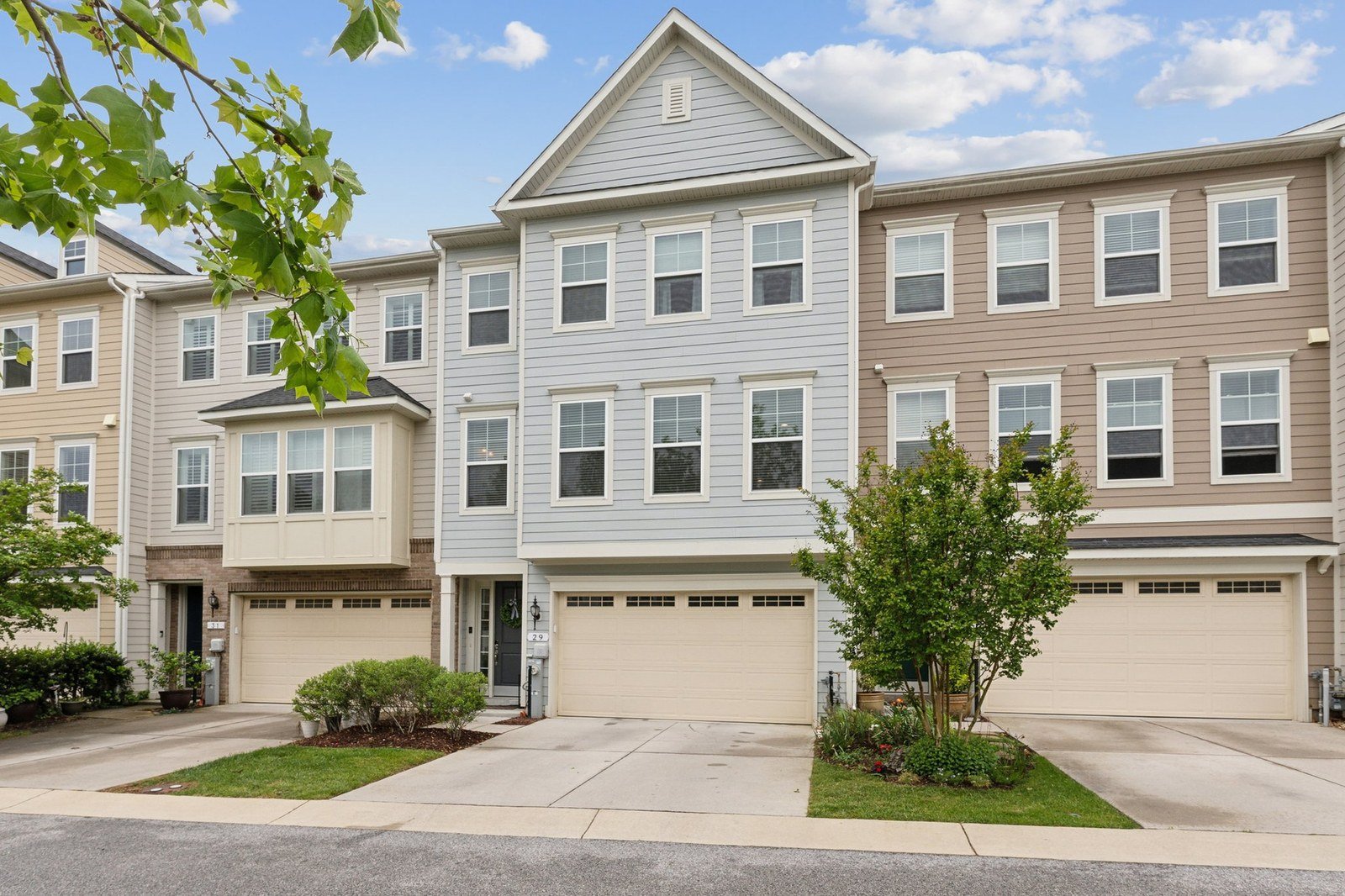
This article is a starting point for your homebuying plan, not a substitute for property-specific lender guidance, inspections, or professional review. Photographs come from the accompanying Housecats guide and do not establish a property’s condition, affordability, or current availability.